/filters:format(jpeg,png)/fit-in/300x300/guide_websites/13994/images/taltstonbaylogo.jpg)
/filters:format(jpeg,png)/fit-in/237x80/guide_websites/13994/images/taltstonbaylogo.jpg)
Fish Species Found In Great Slave Lake: A Subarctic Angler's Guide
%2Ffit-in%2F1000x1000%2Ffilters%3Aformat(webp)%2Fusers%2Ff3eb3bb8-5dae-4a1a-95cb-cbfa7bd5bcbf%2Fprofile%2F1710543429896.jpg&w=1920&q=75)
Published: September 15, 2026
Great Slave Lake, situated in the breathtaking wilderness of the Northwest Territories, stands as the deepest lake in North America. Spanning an immense geographical area, this pristine, icy body of water supports a remarkably vibrant and diverse ecosystem. For sportfishermen across the globe, the lake is a sanctuary of unspoilt angling opportunities, where fish grow to legendary proportions completely undisturbed by heavy commercial pressure. Thanks to the unique phenomenon of the Midnight Sun, visiting sportsmen can often cast their lines late into the evening, maximising their time on the water in pursuit of a trophy catch.
From the shallow, sun-warmed southern bays to the deep, freezing abysses of the main basin, the lake harbours an incredible assortment of aquatic life. Understanding the specific biology, seasonal behaviours, and habitats of these creatures is crucial for any successful expedition. Whether you are seeking aggressive surface strikes in the shallow weeds or preparing for a gruelling, vertical battle in deep water, knowing your quarry is the first step to victory. This comprehensive guide will explore the fascinating fish species found in Great Slave Lake, detailing expert tactics for catching them, and highlighting why this subarctic paradise remains the ultimate destination for passionate anglers.
The Apex Predators of the Subarctic
The food chain in the Northwest Territories is ruled by two incredibly distinct, highly aggressive predators, each dominating their own specific depth zone within the lake.
Northern Pike: The Fearsome Water Wolf
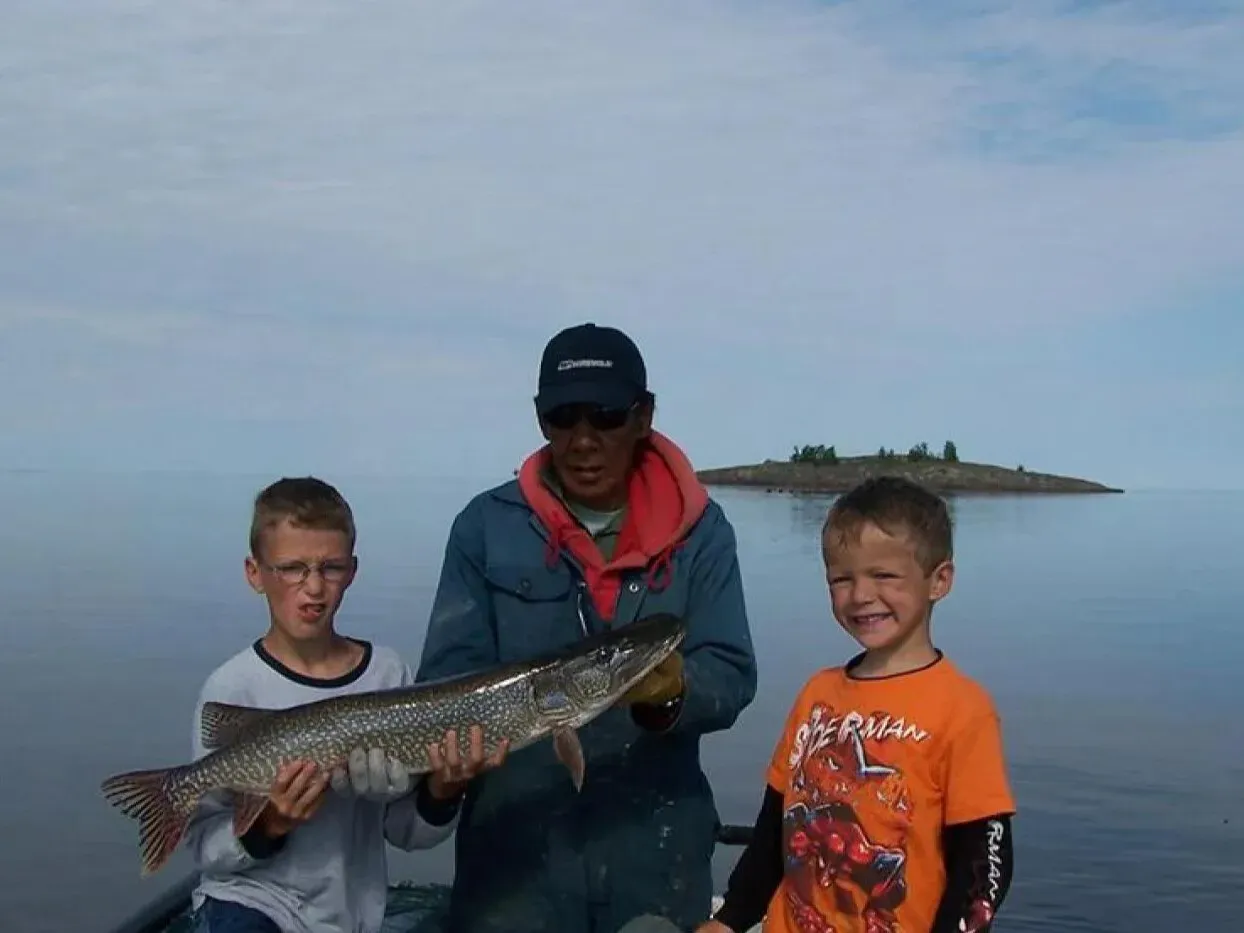
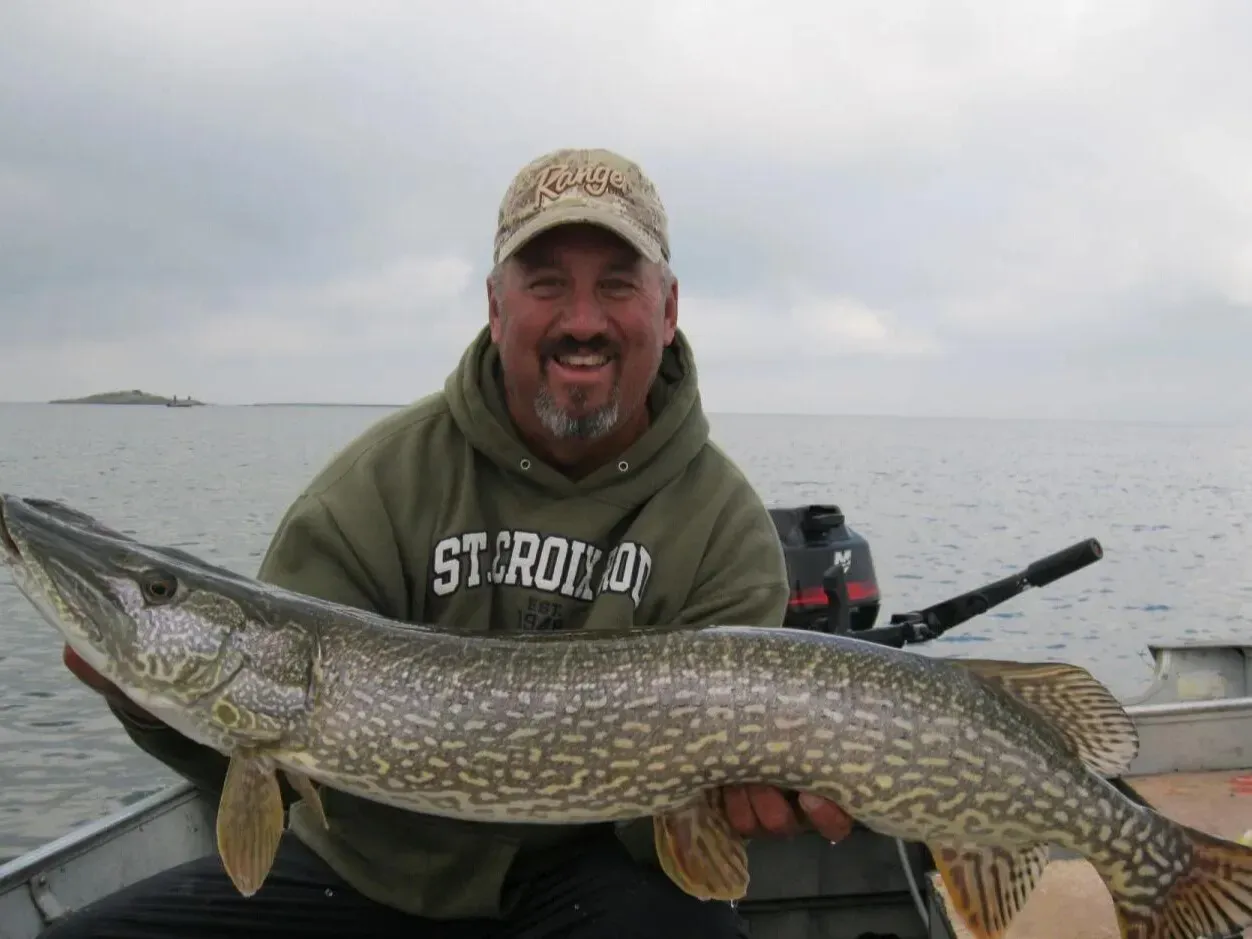
The Northern Pike (Esox lucius) is undoubtedly the apex predator of the lake's shallow fringes, weedy bays, and flowing river inflows. Known colloquially as the "water wolf" or "jackfish," pike are characterised by their elongated, muscular bodies, dark olive-green backs, and irregular rows of yellowish spots. Their massive, elongated jaws are lined with razor-sharp teeth, making them formidable, highly effective ambush hunters.
In the southern regions of the lake, particularly around fort res, pike grow to immense sizes. The nutrient-rich currents sweeping through the area create perfect feeding grounds, allowing these fish to pack on heavy muscular girth. Engaging in taltson river pike fishing is an exhilarating experience, as these apex predators violently strike large spoons and heavy swimbaits cast directly into the current seams. Exploring the secluded waters surrounding fort resolution nt offers unparalleled access to massive, undisturbed weed beds where these giants wait motionless in ambush. Whether you are sight-casting in the clear spring shallows or trolling deep weed drop-offs in the autumn, the highly aggressive nature of the northern pike makes it a prized, highly respected catch for anyone visiting the Canadian subarctic.
Lake Trout: The Deep-Water Titan
While the northern pike unequivocally rule the shallow coastal fringes, the legendary Lake Trout (Salvelinus namaycush) commands the freezing, deep-water basins of the main lake. Easily recognisable by their dark blue to deep olive-green backs covered in small, pale spots, lake trout thrive in the extreme cold. They are the heavyweight champions of the region, frequently growing to staggering sizes that rigorously test the physical endurance of even the most experienced, seasoned anglers.
To successfully target these deep-water titans, sportsmen typically employ heavy trolling gear, advanced downriggers, or massive lead jigs to reach the lower thermal layers where the trout actively hunt for schooling ciscoes and whitefish. The sheer power of a thirty-pound lake trout plunging straight towards the bottom is awe-inspiring, often resulting in battles that can easily last an hour. For those staying at premier great slave lake fishing lodges, accessing these steep deep-water drop-offs is incredibly convenient. Among the various fishing lodges nwt, choosing an outpost situated near severe underwater ledges ensures you spend your holiday actively battling these magnificent fish rather than travelling long, exhausting distances across open water.
The Crown Jewel of the North: Arctic Grayling
While giant pike and heavy trout draw the most international attention, the pristine rivers feeding the lake hold a species that offers a completely different, highly refined angling experience.
Characteristics of the Magnificent Grayling
If the pike and trout represent raw, unbridled power, the Arctic Grayling (Thymallus arcticus) embodies the delicate, pristine beauty of the northern wilderness. These fish are widely considered the absolute jewel of the subarctic, famous for their magnificent, sail-like dorsal fins that become incredibly pronounced and vibrant, especially in mature males. Their flanks display a stunning iridescent sheen featuring dark blue, pink, and purple hues that glisten in the northern sunlight.
Grayling thrive exclusively in the fast-flowing, highly oxygenated tributaries and rocky river mouths that empty continuously into the main lake. They are enthusiastic, highly active surface feeders, making them a phenomenal target for light-tackle enthusiasts. Catching a grayling is not just about the physical fight; it is about the profound visual joy of engaging with one of the most beautiful gamefish on the planet in a completely wild, unspoilt river setting.
Tactical Approaches for Grayling
For anglers wondering how to fish for arctic grayling, the techniques are wonderfully straightforward but highly tactical. These fish naturally face upstream, holding their position behind submerged boulders, waiting patiently for the current to deliver insects and small baitfish directly to them. When selecting the best arctic grayling fishing lures, conventional anglers should rely heavily on small, flashy in-line spinners, micro-spoons, and lightweight marabou jigs. Casting these lures upstream and allowing them to drift naturally past rocky structures often triggers an immediate, aggressive response.
However, for the purist, this specific species represents the ultimate fly angling prize. Mastering arctic grayling fly fishing is an absolute joy. The delicate sight of a grayling gently rising to sip a dry fly from the surface is an unforgettable experience. When you are fly fishing arctic grayling, presenting highly visible dry patterns like the Elk Hair Caddis, Royal Wulff, or Adams in the foam lines and current seams is incredibly effective. If the surface action occasionally slows down during the midday heat, fly fishing for arctic grayling with small bead-head nymphs or olive Woolly Buggers stripped through the deeper river pools ensures you stay connected to these vibrant, energetic fish all day long.
Other Exceptional Target Species
Beyond the primary targets, Great Slave Lake boasts a healthy, diverse food web that includes several other fantastic gamefish.
Walleye: The Golden Prize
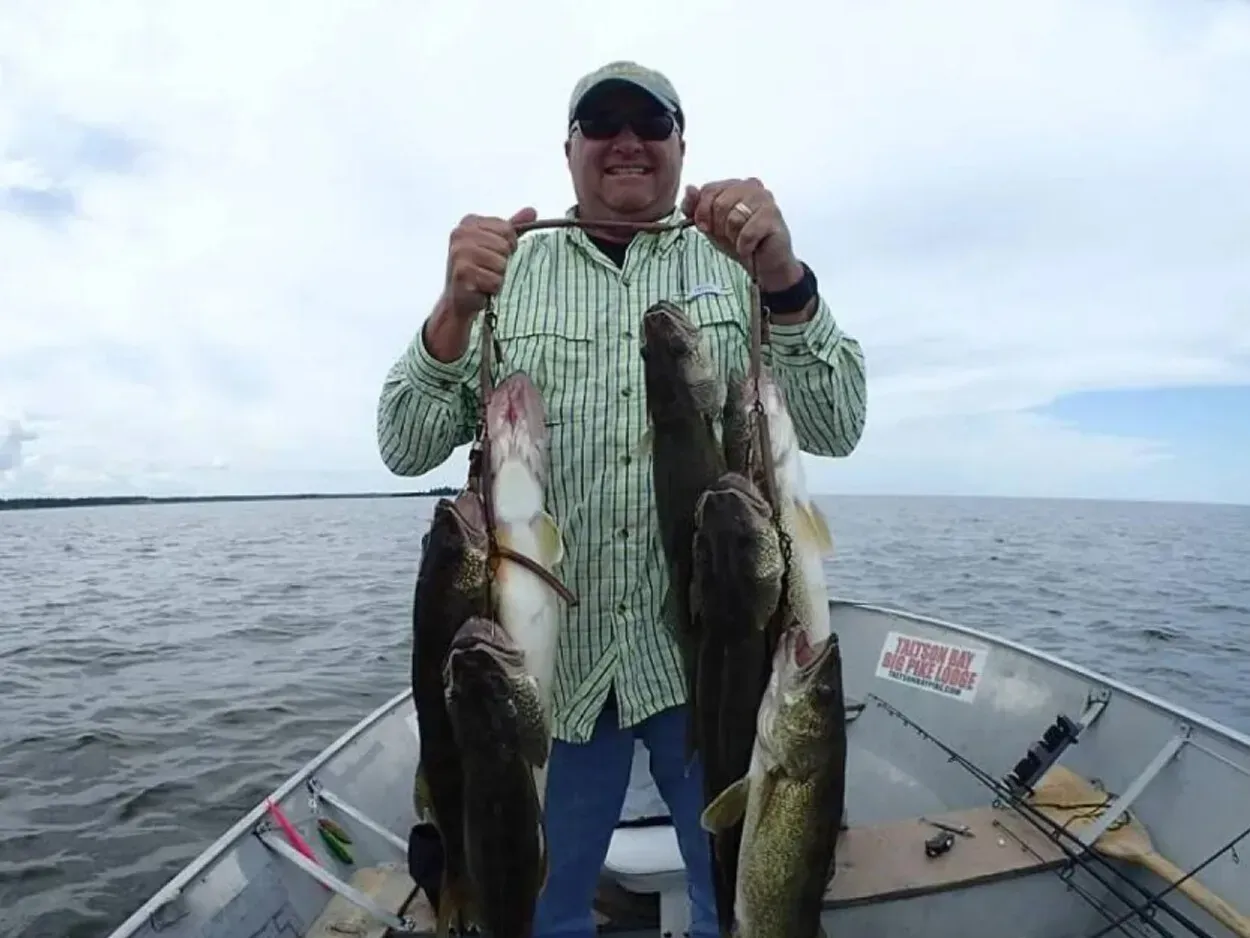
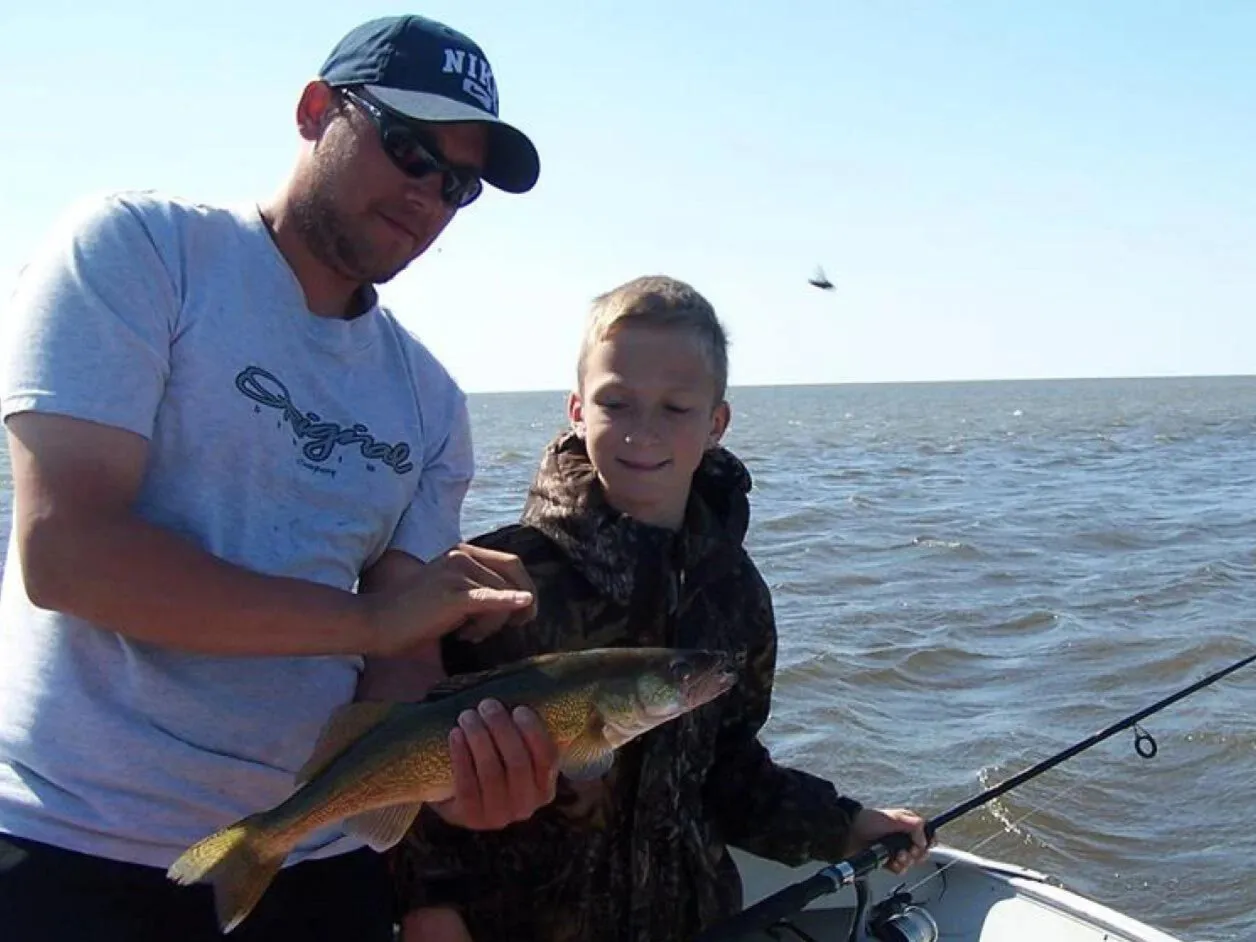
The Walleye (Sander vitreus) is highly prized across the entirety of Canada, and Great Slave Lake supports robust, incredibly healthy populations of these golden-hued predators. Known for their large, glassy eyes that provide exceptional low-light vision, walleye are schooling fish that tend to congregate tightly around rocky shoals, submerged islands, and deep weed edges.
They are incredibly aggressive strikers and are widely considered one of the finest-tasting freshwater fish available for a traditional shore lunch. Visitors travelling to fort resolution northwest territories will find that vertical jigging with soft plastics or slowly trolling crawler harnesses along bottom contours produces fantastic, highly consistent results. The historic coastal community of fort resolution Canada serves as an excellent, strategic starting point for those looking to target large schools of walleye during the warm, prolonged summer evenings.
Inconnu and Lake Whitefish
Beyond the famous sportfish, the lake is home to unique species that complete the complex ecological web. The Inconnu (Stenodus leucichthys), commonly referred to affectionately by locals as the "coney," is a fascinating, large member of the whitefish family. Resembling a massive herring with bright silvery sides, inconnu can grow well over a metre in length and put up a surprisingly strong, determined fight when hooked on light tackle.
Additionally, the Lake Whitefish (Coregonus clupeaformis) is a vital, nutrient-rich forage species that sustains the massive populations of apex trout and pike. While not typically targeted by recreational sport anglers, their abundant presence is highly indicative of the lake's overall health and outstanding biological productivity. To learn more about the specific regulations, seasonal patterns, and detailed biological characteristics of these remarkable creatures, reviewing the comprehensive Fort Resolution fish species profiles is highly recommended before finalising your travel plans.
Exploring the Historic Southern Shoreline
A truly exceptional Canadian holiday involves immersing yourself in the rich culture and profound natural beauty of the surrounding region, far beyond just the hours spent holding a fishing rod.
The Cultural Charm of Fort Resolution
The southern shoreline of the lake is rich in both dynamic marine life and profound, fascinating cultural history. The settlement, frequently referred to as fort resolution talston due to its close proximity to the mighty, fast-flowing Taltson River, has deep Indigenous roots and a storied past deeply tied to the historical fur trade.
When you step off the boat after an exhilarating day of fishing, the surrounding area offers immense cultural charm and genuine northern hospitality. The landscape is intensely wild and teeming with wildlife, providing a perfect, rugged backdrop for a holistic wilderness holiday. To ensure your itinerary is beautifully varied and culturally enriching, exploring the rich heritage highlighted in Things To Do In Fort Resolution will thoughtfully guide you through fascinating historic sites, abandoned mining settlements, and sweeping territorial parks.
Selecting Your Wilderness Base
Choosing the absolute perfect base camp is absolutely critical for accessing the best fishing grounds safely and comfortably. When evaluating various canada pike fishing lodges, those located directly on the southern shores provide the most distinct, highly advantageous geographical benefits. Engaging in great slave lake lodge fishing from a strategically placed, remote outpost ensures you spend significantly less time commuting over rough water and far more time actively casting into productive strike zones.
Elevate Your Experience with Premier Outfitters
Navigating the sprawling, isolated waters of the Canadian subarctic without intimate, highly localised knowledge can be immensely challenging and occasionally hazardous. The submerged rock shoals, shifting, unpredictable weather patterns, and specific ambush holding areas of the trophy fish demand the expertise of seasoned professionals. By partnering with dedicated, full-time guides, you completely eliminate the frustrating guesswork that often accompanies fishing a new, massive body of water.
For an authentic, world-class experience, relying on a premier wilderness operation ensures your holiday is flawlessly executed from the moment you step off the floatplane. To secure an elite, all-inclusive adventure featuring comfortable accommodations and unparalleled access to the finest waters in the region, explore the Taltson Bay Big Pike Lodge platform today. Their expert, highly dedicated team will happily guide you through their expansive territory, placing you directly over the most productive fishing grounds in the Northwest Territories. Working with a dedicated, highly professional crew ensures your personal safety, absolute comfort, and overall catch rate are all prioritised to the absolute highest degree, allowing you to focus entirely on the thrill of the catch.
Conclusion
Great Slave Lake is a monumental, awe-inspiring ecosystem that stands proudly as one of the last true frontiers for passionate anglers. Whether you are marvelling at the brilliant, iridescent beauty of an Arctic grayling, wrestling a massive, deep-water lake trout from the freezing depths, or experiencing the explosive, violent topwater strike of a giant northern pike, the species found in these pristine waters consistently deliver unforgettable memories. By understanding the biology of these magnificent fish, selecting the appropriate heavy-duty tackle, and trusting your journey to seasoned local professionals, you can confidently embark on the fishing trip of a lifetime. The pristine northern waters are calling, the baitfish are schooling, and the ultimate Canadian outdoor adventure awaits you. Ensure your preferred travel dates are locked in safely before the brief summer season fills up completely; check the available schedule and Book Now to reserve your private wilderness charter today.
Frequently Asked Questions (FAQs)
1. What is the most popular fish species to catch in Great Slave Lake?
The Northern Pike is arguably the most popular and internationally sought-after species for sportfishermen visiting the region. This is primarily due to their massive size, highly aggressive strikes, and the thrilling, visual nature of fishing for them in the shallow, crystal-clear coastal bays. However, Lake Trout are a very close second, especially for anglers specifically seeking deep-water heavyweights.
2. Do I need a specific licence to fish in the Northwest Territories?
Yes. All visiting anglers must purchase a valid Northwest Territories sport fishing licence before casting a line into any public waters. The revenue generated from these licences goes directly towards vital conservation efforts and wildlife management to ensure these pristine waters remain healthy and productive for future generations.
3. Are there catch limits for the different fish species in the lake?
Yes, there are strictly enforced daily catch limits and overall possession limits for all species, including pike, trout, walleye, and grayling, designed to maintain highly sustainable populations. Furthermore, many premium lodges strongly encourage or enforce strict catch-and-release policies for all trophy-sized fish, allowing guests to keep only smaller fish for a traditional, delicious shore lunch.
4. What is the best time of year to fish for Arctic Grayling?
The warmest summer months, particularly July and August, are the absolute best times to target Arctic Grayling in the flowing tributaries. During this specific period, the river waters are slightly warmer, aquatic insect hatches are highly prolific, and the grayling are aggressively feeding on the surface, making for truly spectacular and consistent fly fishing conditions.
5. Is the water in Great Slave Lake safe and unpolluted for the fish?
Yes, the vast majority of the enormous lake remains incredibly pristine, freezing cold, and unpolluted. While some very small, localised areas near historical mining sites have faced environmental challenges in the past, the expansive main basins and the southern river deltas offer clean, highly oxygenated water that effortlessly supports incredibly healthy and vibrant fish populations.