Fly In Fishing Canada Guide: Your Complete Subarctic Angling Manual

Published: September 15, 2026
For dedicated sportfishermen across the globe, the pursuit of untamed wilderness inevitably leads to the vast, unspoilt waterways of the Canadian North. While road-accessible lakes offer pleasant weekend excursions, true angling nirvana lies far beyond the reach of paved highways, crowded boat launches, and heavily pressured waters. This profound desire for pure seclusion and unpressured fisheries makes fly in fishing the absolute gold standard of freshwater sport.
Boarding a rugged bush plane and soaring over an endless mosaic of dense boreal forest, ancient shield rock, and glittering river networks is a transformative experience. Touching down on a glassy, secluded lake in the Northwest Territories places you in an environment where apex predators grow to staggering proportions completely undisturbed by human activity.
Whether you dream of casting heavy spoons for gargantuan northern pike, wrestling massive lake trout from freezing abysses, or drifting dry flies for iridescent grayling, proper preparation is the key to an unforgettable expedition. This comprehensive fly in fishing Canada guide covers everything from destination selection and target species to essential tactics and packing strategies.
The Allure of Remote Fly-In Expeditions in Canada
To understand the enduring popularity of fly-in journeys, one must appreciate the unique ecological benefits of complete geographical isolation.
Pristine Ecosystems and Giant Predators
In easily accessible southern waterways, consistent recreational traffic and harvest pressure limit the average lifespan and size of resident gamefish. In stark contrast, fly-in lakes experience virtually zero angling pressure.
Because these remote waters receive only a handful of visiting boats each season, the fish live out their full natural lifespans in cold, oxygen-rich environments. Northern pike, lake trout, and walleye grow to exceptional sizes, developing thick muscular girth and formidable fighting strength. Furthermore, because these fish rarely encounter artificial lures, they strike aggressively, providing visual and heart-stopping surface action that cannot be matched in pressured fisheries.
The Unmatched Wilderness Experience
The adventure begins the moment the floatplane lifts off from the regional staging dock. As roads and infrastructure fade into the horizon, anglers are treated to a bird's-eye view of one of the planet's last true wilderness frontiers.
During the peak summer months, the subarctic experiences the Midnight Sun, where daylight extends for over twenty hours. This prolonged daylight accelerates aquatic plant growth, fuels insect hatches, and allows visiting sportsmen to enjoy extended angling sessions under a golden evening sky.
Top Fly-In Destinations: The Northwest Territories
While remote outposts operate across various Canadian provinces, the Northwest Territories stands as the undisputed crown jewel for giant subarctic gamefish.
Great Slave Lake: An Inland Sea of Giants
As the deepest lake in North America, plunging to depths exceeding two thousand feet, Great Slave Lake functions as a massive, self-contained marine ecosystem. Its immense volume of cold, crystal-clear water supports a thriving food web, making great slave lake lodge fishing an international benchmark for trophy angling.
The lake features a diverse topography, ranging from deep-water trenches and rocky islands to shallow, sun-warmed bays and sprawling river deltas. Staying at premier great slave lake fishing lodges provides immediate access to productive weed beds and current seams, allowing you to maximise your time on the water.
The Historic Gateway of Fort Resolution
Situated on the southeastern shoreline of the lake, the historic community of fort resolution Canada serves as a vital cultural and logistical staging hub for expeditions into the southern basin. Often referred to by locals simply as fort res, this charming town possesses deep Indigenous roots and a rich history tied to the northern fur trade.
Organising your travel through fort resolution nt positions you perfectly to explore untamed delta channels and rocky outer bays. The fertile waters near fort resolution talston provide rapid access to premier pike spawning grounds and flowing river currents. Planning an itinerary through fort resolution northwest territories ensures an authentic subarctic experience.
On days away from the boat, exploring the local heritage highlighted in Things To Do In Fort Resolution allows visitors to discover historic trading posts and territorial parks.
Target Species of the Canadian North
The rich biodiversity of subarctic waterways ensures a dynamic, multi-species angling holiday. Reviewing detailed Fort Resolution fish species profiles helps you understand the specific feeding habits and habitats of each target.
Trophy Northern Pike in the Taltson River System
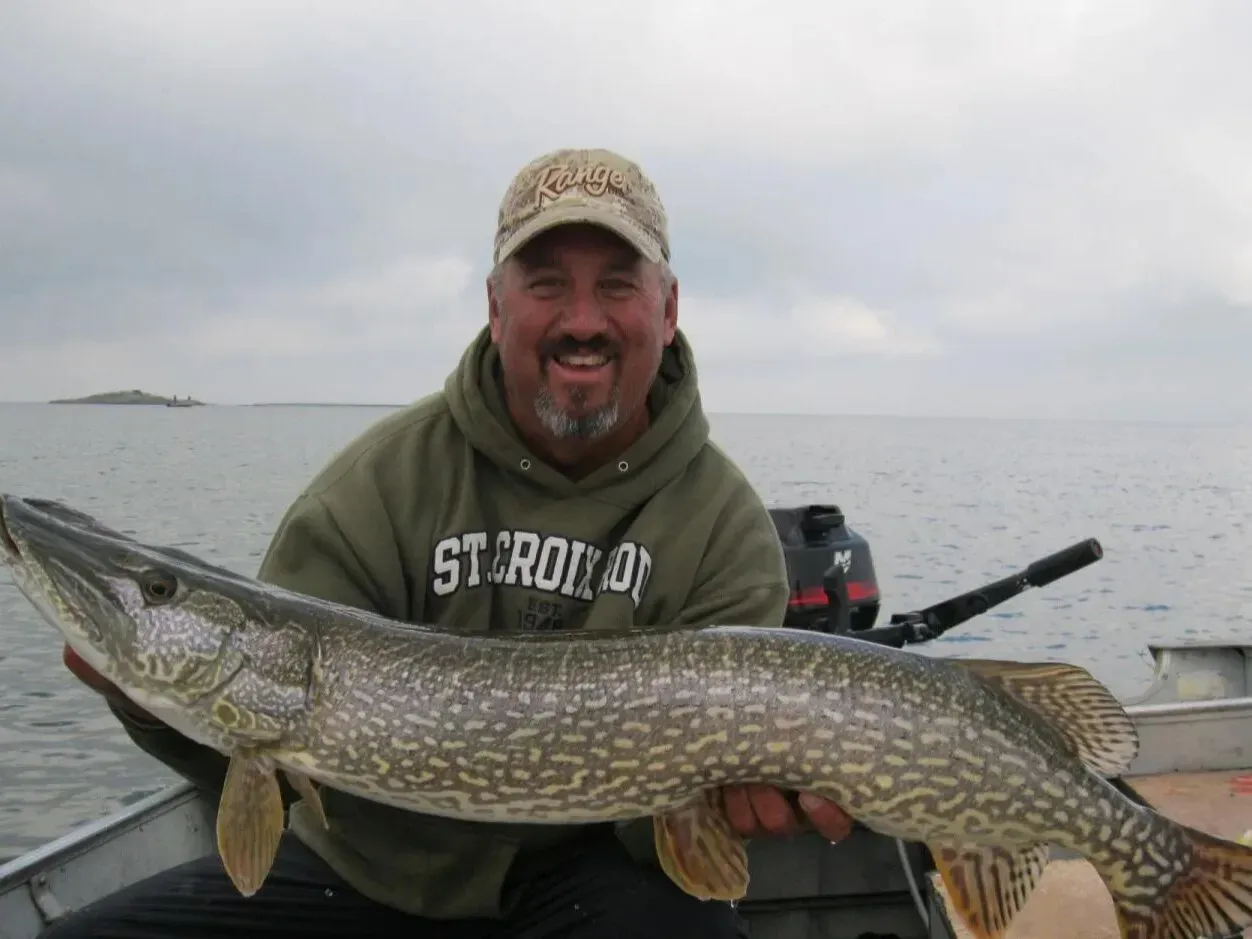
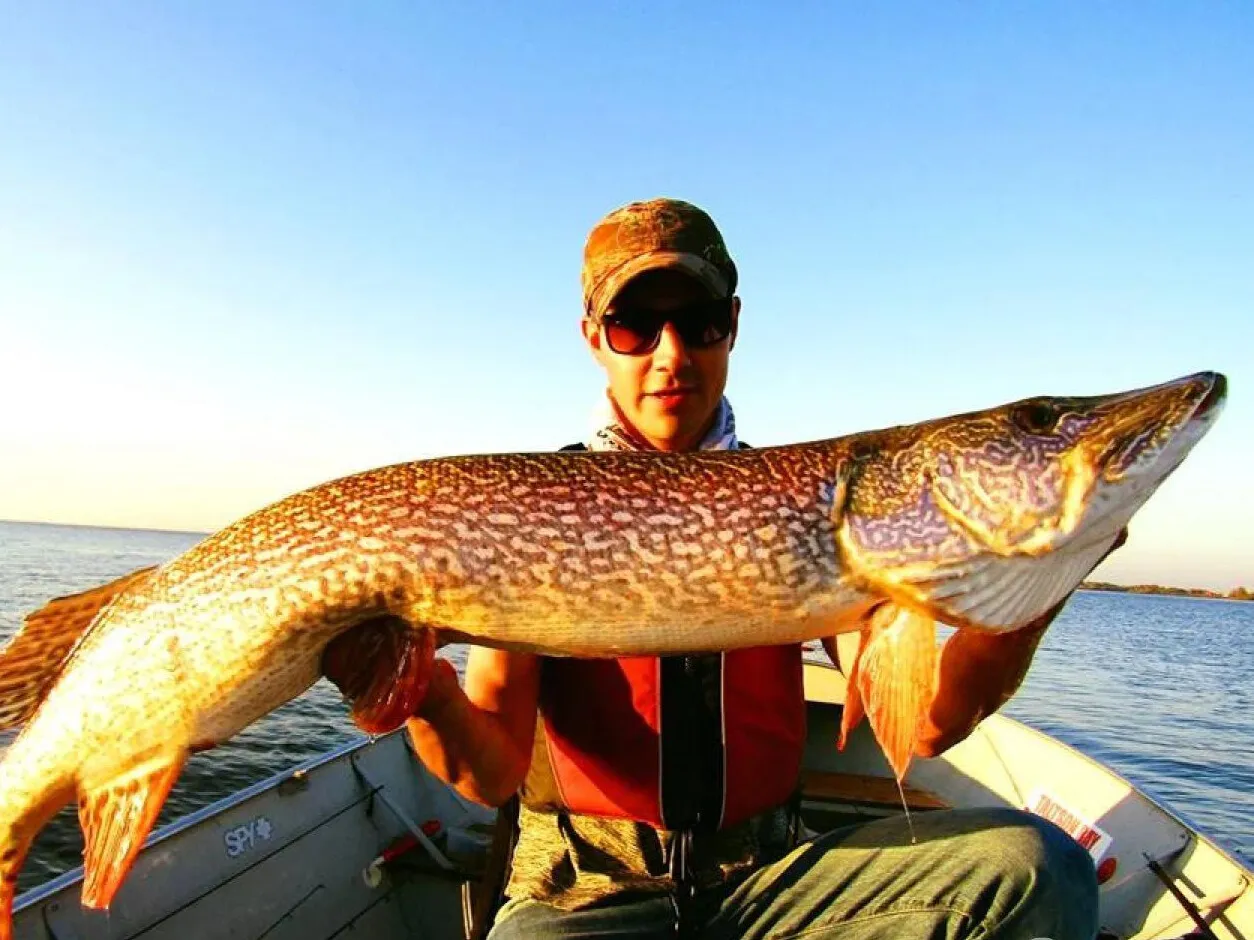
The Northern Pike (Esox lucius) is the apex predator of shallow bays and weed beds. Known for their long, muscular bodies, olive-green coloration, and razor-sharp teeth, they are ferocious ambush hunters.
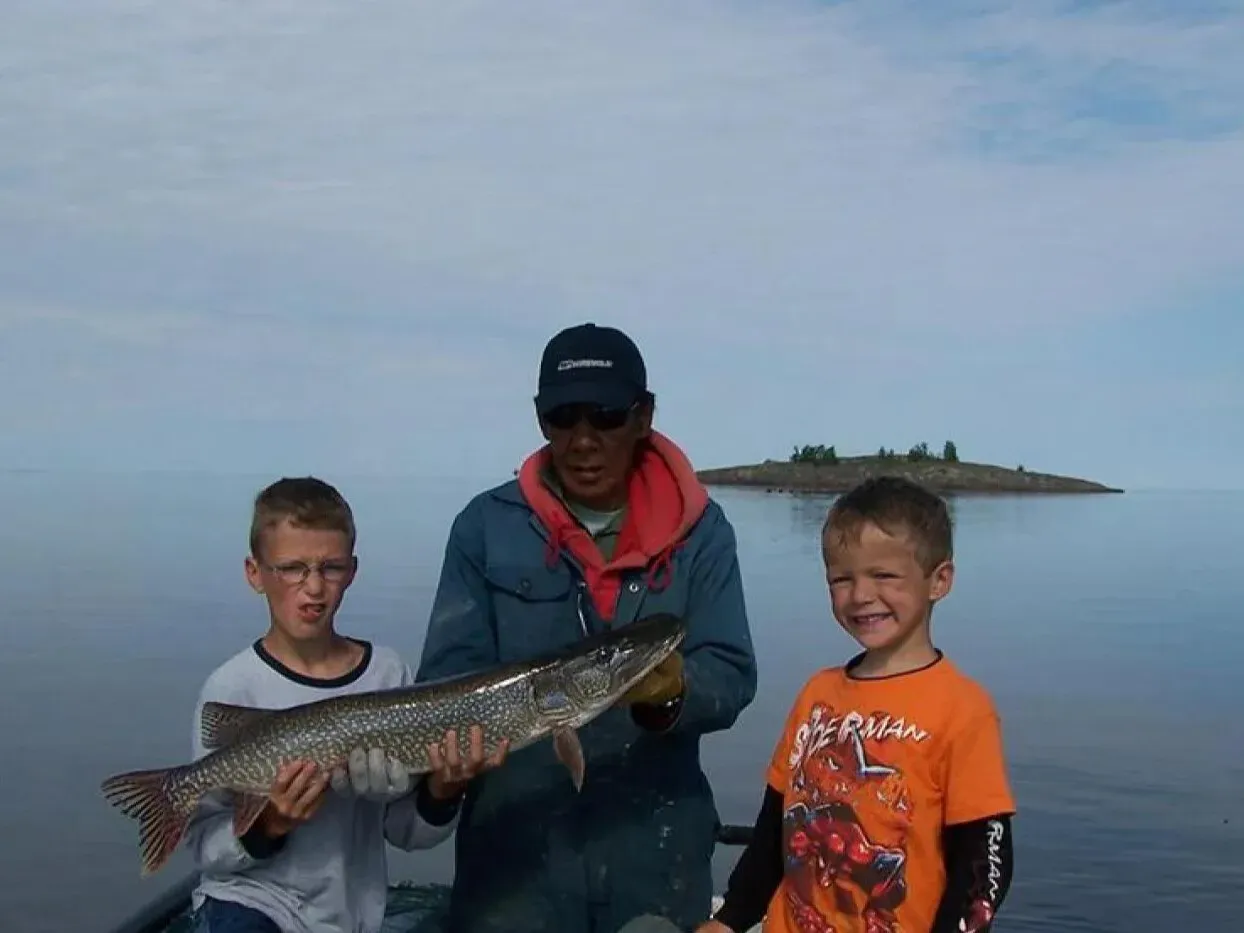
Engaging in taltson river pike fishing is an exhilarating experience. The flowing river channels sweep forage into the main lake, creating natural feeding stations where broad-shouldered pike wait in ambush. Casting heavy spoons, oversized double-bladed spinnerbaits, or large soft-plastic swimbaits along weed edges triggers explosive reaction strikes. Watching a fifty-inch water wolf detonate on a topwater lure in knee-deep water is a rush that every angler should experience.
The Art of Arctic Grayling
If northern pike represent raw power, the Arctic Grayling (Thymallus arcticus) embodies the delicate elegance of the northern wilderness. Recognisable by their sail-like, iridescent dorsal fins, grayling thrive in fast-flowing, highly oxygenated river rapids and tributaries.
For fly anglers, arctic grayling fly fishing is a major highlight of a subarctic trip. Grayling are eager surface feeders, making fly fishing arctic grayling with dry flies like the Elk Hair Caddis or Royal Wulff immensely rewarding. When surface action slows, fly fishing for arctic grayling using small bead-head nymphs or streamers in deeper pools yields non-stop action.
If you prefer spinning gear, learning how to fish for arctic grayling is straightforward. Selecting the right arctic grayling fishing lures—such as small in-line spinners, micro-spoons, and lightweight marabou jigs—and drifting them through current seams guarantees steady action on light tackle.
Deep-Water Lake Trout and Golden Walleye
In the freezing depths of the main lake basins, massive Lake Trout (Salvelinus namaycush) reign supreme. Trolling deep-water drop-offs with heavy spoons or vertically jigging deep humps can result in hooking a thirty-pound titan that tests your physical stamina.
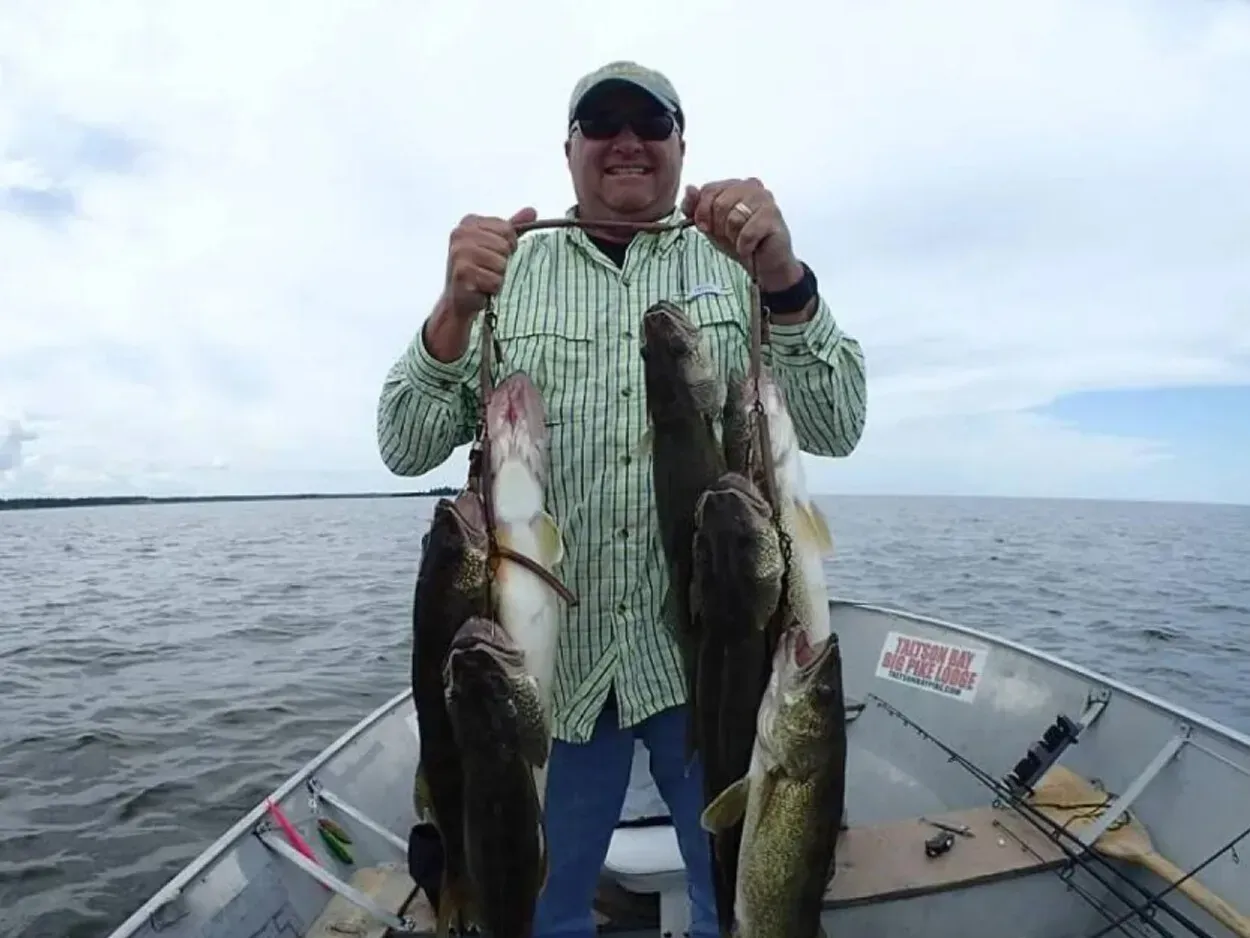
In addition, rocky shoals and weed edges hold large schools of Walleye, offering fantastic light-tackle sport and the finest table fare for a traditional northern shore lunch.
Tactical Gear and Packing Strategies
Because fly-in outposts are remote, proper preparation and packing discipline are vital.
Floatplane Weight Restrictions and Luggage
Floatplanes have strict payload limits to maintain flight safety. Most operators enforce a luggage allowance between 40 and 50 pounds per passenger, including personal gear, clothing, and tackle:
- Soft-Sided Bags: Pack your gear in water-resistant duffel bags rather than rigid hard-shell suitcases, as soft bags fit easily into irregular aircraft cargo holds.
- Consolidate Tackle: Coordinate with your boat partner to share tools, hook sharpeners, and terminal tackle to avoid unnecessary weight.
Subarctic Layering Systems
Northern weather can shift from warm sunshine to wind-driven rain within hours. Layering is essential:
- Base Layers: Moisture-wicking merino wool or synthetic thermal tops and bottoms.
- Mid-Layers: Breathable fleece pullovers and packable insulated jackets.
- Outerwear: High-grade waterproof and windproof jackets and bib trousers with fully taped seams.
- Footwear: Waterproof, non-slip deck boots and cushioned wool socks.
- Accessories: Polarised sunglasses for cutting surface glare, a warm beanie, sun-protection gloves, and high-DEET insect repellent.
Recommended Tackle Configurations
- Pike Gear: Medium-heavy to heavy fast-action rods paired with high-capacity reels spooled with 50-to-65-pound braided line. Heavy titanium or wire leaders are non-negotiable to prevent bite-offs.
- Grayling Gear: 4-weight or 5-weight fly rods with floating lines, or ultralight spinning rods spooled with 6-pound monofilament.
- Trout Gear: Heavy conventional or spinning setups capable of trolling deep-running lures or working heavy jigs in 50 to 100 feet of water.
Selecting the Best Northern Outpost
When planning your wilderness journey, evaluating various canada pike fishing lodges and comparing regional destinations is essential.
Comparing Regional Outposts Across the North
Some international travellers explore options like great bear lake lodge Canada or the famous great bear lake lodge for giant lake trout. While those far-northern waters are iconic, they often focus primarily on deep-water trout in harsh conditions.
In contrast, evaluating top fishing lodges nwt on Great Slave Lake reveals a far more diverse, well-rounded mixed-bag fishery. The southern shorelines provide access to trophy northern pike, vibrant grayling, heavy walleye, and lake trout within sheltered bays.
Reviewing the extensive fishing territory managed by experienced outfitters helps anglers understand the vast network of bays, islands, and river deltas open for exploration.
What Makes a Premier Outpost
A top-tier wilderness lodge provides the perfect balance between rugged isolation and modern comfort. The best operations feature warm cabins, comfortable beds, hot showers, and hearty home-cooked meals served after a long day on the water.
Furthermore, partnering with veteran local captains who understand underwater reefs, weed bed locations, and seasonal fish migrations ensures your safety and maximises your catch rate.
Elevate Your Adventure with Taltson Bay Big Pike Lodge
Extracting massive northern pike from subarctic weed beds and navigating flowing river currents requires seasoned local experience and seaworthy equipment. Attempting to tackle the immense waters of Great Slave Lake without expert guidance can lead to wasted time and unproductive days.
Partnering with an elite wilderness outfitter guarantees that you are positioned directly over the most productive shallow bays, river mouths, and deep drop-offs during optimal feeding windows. To secure an all-inclusive fly-in adventure featuring comfortable accommodations and unparalleled access to the finest waters in the region, explore Taltson Bay Big Pike Lodge today. Their expert team will guide you through their expansive territory, placing you right in the heart of the most productive fishing grounds in the Northwest Territories. Working with a dedicated crew ensures your safety, comfort, and catch rate are all prioritised to the highest degree.
Conclusion
Fly-in fishing in Canada is far more than a simple holiday; it is an immersive journey into one of the last true wilderness frontiers on Earth. From the scenic floatplane flight over endless boreal forests to the explosive surface strike of a trophy northern pike, every moment spent in the subarctic is extraordinary.
By understanding seasonal patterns, packing the proper layered clothing and tackle, and partnering with experienced northern outfitters, you set the stage for the trip of a lifetime. The pristine waters of the Northwest Territories are calling, the cabbage beds are teeming with baitfish, and giant subarctic predators are waiting for your presentation. Check seasonal availability, secure your travel dates, and Book Now to reserve your private wilderness charter today.
Frequently Asked Questions (FAQs)
1. How do I travel to a fly-in fishing lodge in Canada?
Most trips begin by flying commercially into a regional northern hub such as Yellowknife, Northwest Territories. From there, the lodge arranges a private floatplane or bush plane charter to fly you directly to their secluded water dock.
2. Are fly-in fishing trips suitable for beginners?
Yes. Professional wilderness guides cater to anglers of all experience levels. They provide hands-on casting instruction, handle bait and lure rigging, navigate the waterways, and assist with landing and unhooking fish safely.
3. What is the peak season for catching trophy Northern Pike in the subarctic?
June and September are widely regarded as the two peak months. June offers incredible shallow-water sight-casting as post-spawn pike warm up in shallow bays, while September produces the heaviest fish of the year as pike feed aggressively before winter.
4. Do I need to bring my own fishing tackle?
While most premium lodges provide sturdy rods, reels, and heavy tackle suited for local waters, many anglers prefer to bring their own trusted setups. Always confirm with your lodge beforehand to ensure you have the appropriate gear without exceeding weight limits.
5. What is the luggage weight limit on floatplanes?
Most bush plane operators enforce a strict weight limit between 40 and 50 pounds per passenger, including all personal luggage, clothing, and tackle. Packing in soft-sided duffels helps maximise your usable allowance.