Great Slave Lake Fishing Report: Subarctic Angling Update

Published: September 15, 2026
As the late summer season unfolds across the spectacular Canadian north, sportfishermen are witnessing yet another phenomenal period of wilderness angling. The pristine waters of the Northwest Territories continue to deliver staggering numbers of trophy-class predators, reinforcing the region's reputation as a premier global fishing destination. For anglers tracking the latest Great Slave Lake fishing report, the news is overwhelmingly positive.
With the Midnight Sun gradually giving way to the crisper, darker evenings of late August, the aquatic ecosystems are transitioning into their dynamic autumn feeding patterns. The massive fish inhabiting these freezing depths are beginning to gorge on baitfish in preparation for the long winter. Whether you are actively planning an expedition or simply dreaming of battling a subarctic monster, this comprehensive seasonal report provides a detailed breakdown of current conditions, species-specific updates, and essential insights into the finest wilderness outposts available.
Current Water Conditions and Seasonal Shifts
Understanding the thermal dynamics of a massive inland sea is absolutely critical for locating active gamefish. Great Slave Lake is the deepest lake in North America, plunging over six hundred metres in some of its dark, freezing trenches.
Late Summer Thermal Layers
During the height of summer, the surface temperatures in the main basin warmed slightly, pushing the temperature-sensitive lake trout into deeper, cooler thermal layers. However, as the August nights begin to cool the surface water, we are seeing the thermocline shift. This transition is making the large predators increasingly accessible to anglers who prefer casting heavy tackle or flat-line trolling without the necessity of deep downriggers.
River Inflows and Delta Action
In the southern regions, the flowing river systems continue to pump highly oxygenated, nutrient-dense water into the main lake. These inflows are currently congregating massive schools of ciscoes and whitefish, creating natural, highly active feeding stations for the apex predators. The water clarity remains exceptional across the sheltered bays, providing visiting sportsmen with incredible, heart-stopping visual sight-casting opportunities in the shallows.
Trophy Pike Action in the Southern Basin
The undisputed ruler of the subarctic shallows is the Northern Pike, and this season's catch rates have been nothing short of spectacular.
Exceptional Size and Aggression
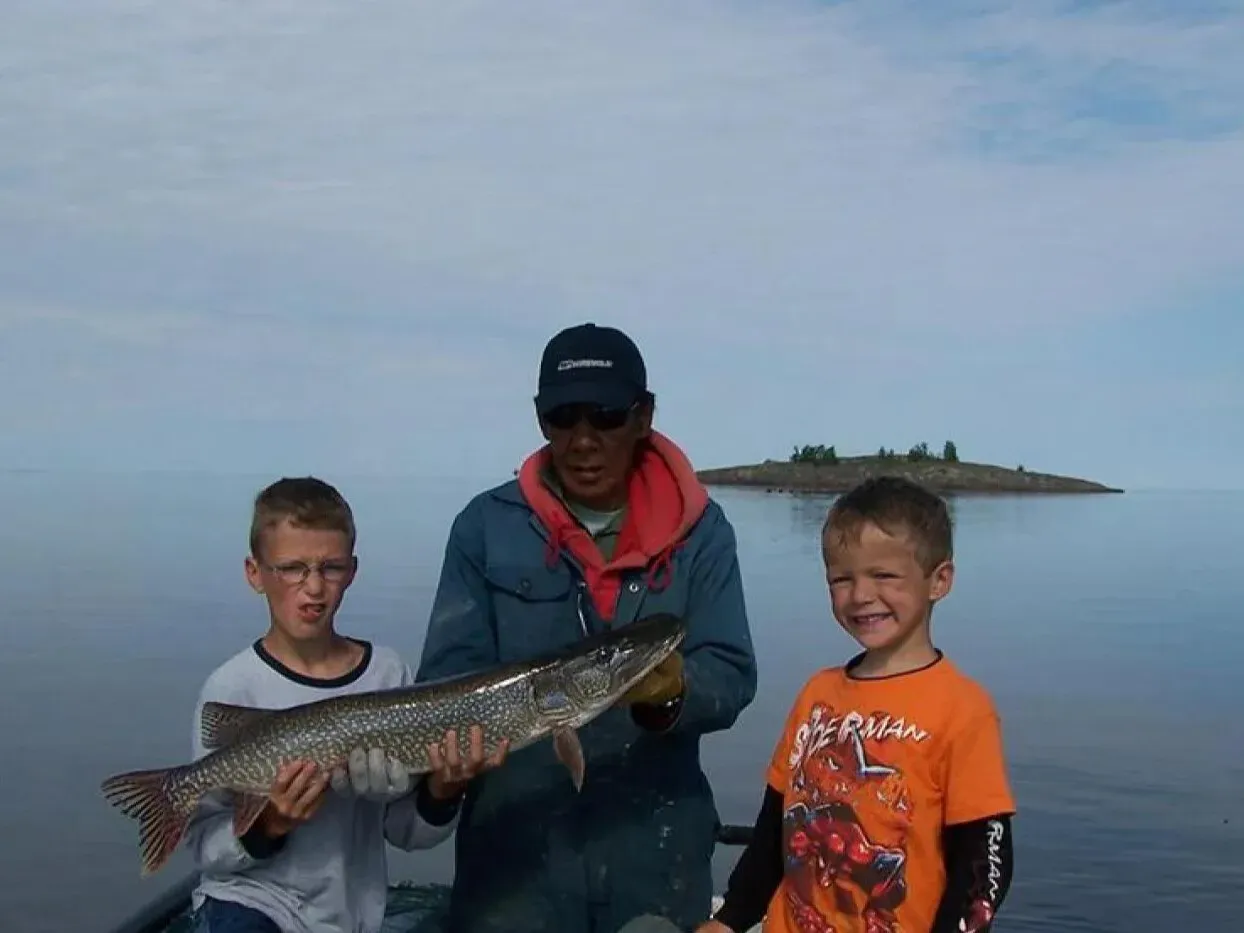
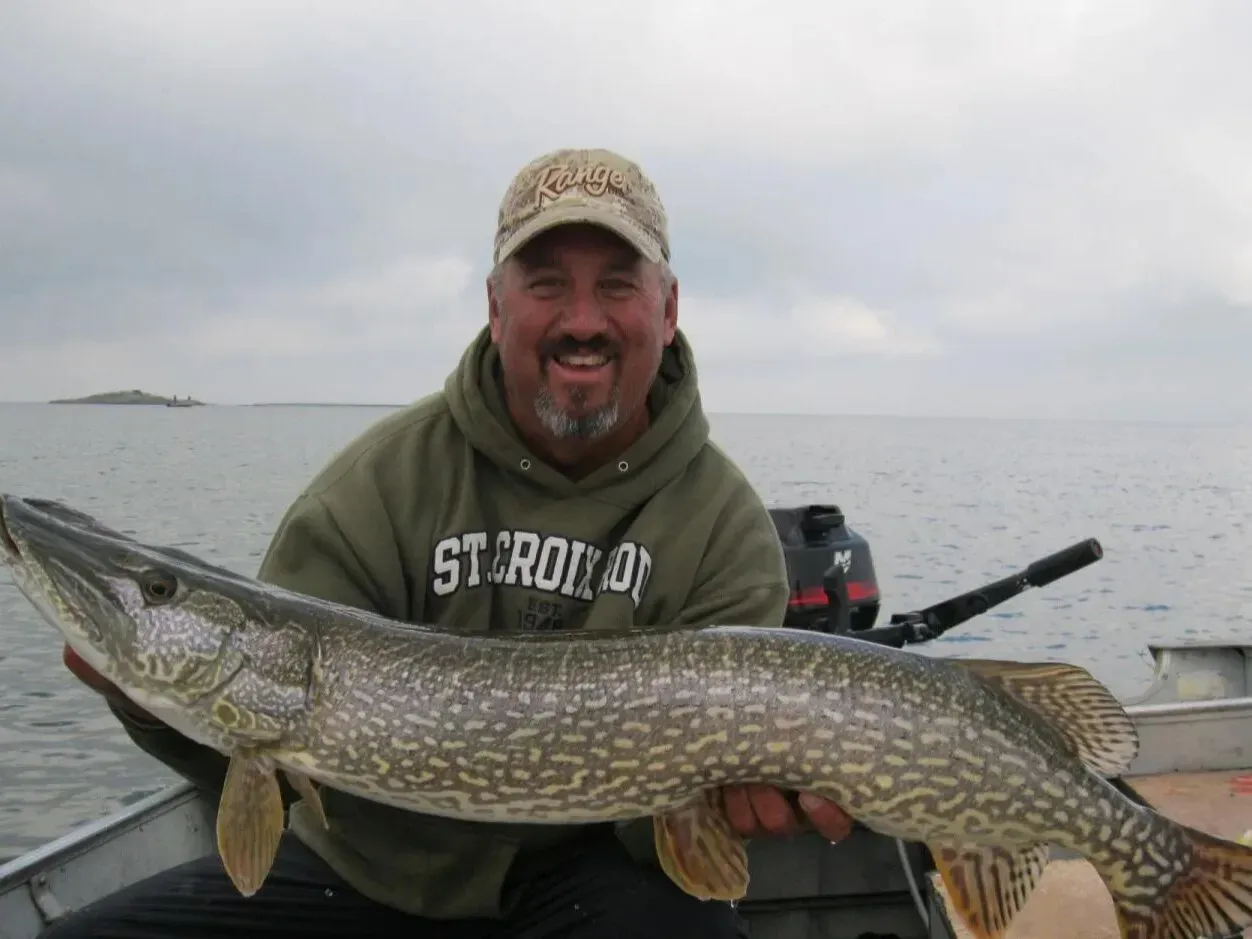
The current Great Slave Lake fishing report highlights an incredible abundance of broad-shouldered water wolves. The secluded, weed-choked bays along the southern shoreline are producing consistent double-digit catch days, with numerous specimens easily exceeding forty inches. Because these remote waters experience virtually zero commercial pressure, the fish grow to mythological proportions and exhibit ferocious aggression.
Hotspots and Proven Tactics
The areas surrounding the historic settlement of fort resolution Canada are currently fishing exceptionally well. Known affectionately by locals as fort res, this coastal community serves as a vital staging hub for accessing the most productive river deltas. Specifically, taltson river pike fishing is delivering bucket-list action. The fast-flowing current seams where the river empties into the lake are packed with giant pike ambushing baitfish.
Anglers casting oversized double-bladed spinnerbaits, heavy soft-plastic swimbaits, and classic metal spoons along the outer edges of the cabbage weed beds are triggering violent, explosive surface strikes. To understand precisely which bait profiles are currently dominating these waters, reviewing detailed Fort Resolution fish species information allows you to perfectly match your hardware to the aggressive predators prowling these weed lines.
Deep Water Titans: Lake Trout Updates
While the pike dominate the shallows, the legendary Lake Trout command the freezing, deep-water basins of the main lake.
The Heavyweight Champions of the North
Subarctic lake trout are the heavyweights of the region, and this season is producing breathtaking catches. While many international travellers spend significant time researching extreme deep-water destinations like great bear lake lodge Canada or the historic great bear lake lodge for massive trout, the reality is that Great Slave Lake is providing equally staggering deep-water action. Some anglers have recently reported hauling up trout exceeding thirty pounds, firmly cementing the lake's reputation for monster fish.
Trolling the Submerged Reefs
Currently, the most effective method for targeting these deep-water giants involves trolling massive wobbling spoons and deep-diving plugs along steep underwater drop-offs and submerged rocky humps in depths ranging from fifty to eighty feet. As the water continues to cool moving into September, expect these massive trout to begin their pre-spawn migration towards shallower, wind-swept rocky shoals, making them highly susceptible to heavy casting jigs and large swimbaits.
The Magic of Arctic Grayling on the Fly
For sportfishermen seeking a delicate, refined contrast to the heavy-duty muscular battles of pike and trout, the fast-flowing northern tributaries are offering world-class sport for the iconic Arctic Grayling.
A Visual Delight for Light-Tackle Purists
Recognisable by their stunning iridescent colours and massive, sail-like dorsal fins, grayling are enthusiastic surface feeders. The recent fishing reports indicate massive insect hatches occurring in the rocky river mouths, sending the grayling into feeding frenzies. For purists, arctic grayling fly fishing is an absolute joy. If you are learning how to fish for arctic grayling, the primary focus should be the bubbling current seams where they face upstream to intercept drifting food.
Successful Patterns and Lures
When fly fishing arctic grayling, presenting highly visible dry flies like the Elk Hair Caddis or Royal Wulff yields incredibly consistent surface takes. When the surface action occasionally slows down during the midday heat, fly fishing for arctic grayling using small bead-head nymphs or olive streamers produces steady, non-stop action.
For conventional anglers who prefer spinning gear, small in-line spinners and micro-jigs provide fantastic sport, proving once again that these are the most productive arctic grayling fishing lures available. Engaging in light-tackle grayling fishing in the pristine wilderness provides a serene, beautifully visual conclusion to a day spent wrestling heavy deep-water fish.
Base Camps and Wilderness Lodging Options
Accessing the most productive, unpressured fishing grounds requires selecting the proper wilderness outpost. The vastness of the territory means that your choice of accommodation dictates your daily success.
Comparing Subarctic Outposts
When evaluating the best canada pike fishing lodges and comparing premier fishing lodges nwt, choosing an operation located directly on a productive bay or river delta is essential. Staying at a top-tier location means that your great slave lake lodge fishing experience begins the moment you step off the dock, completely eliminating lengthy, exhausting commutes across rough, open water.
The Benefits of a Mixed-Bag Fishery
The finest great slave lake fishing lodges offer a distinct advantage over single-species destinations. The sprawling archipelagos and river inflows provide a varied ecosystem where you can cast for monster pike in the morning, drift flies for grayling in the afternoon, and troll for massive lake trout as the sun begins to set. This mixed-bag potential ensures that every single day of your wilderness holiday is brilliantly diverse, highly engaging, and ultimately rewarding.
Planning Your Next Subarctic Adventure
If this Great Slave Lake fishing report has inspired you to experience the Canadian subarctic for yourself, proper logistical planning is your next critical step. The southern shoreline, particularly the community of fort resolution nt, acts as the ultimate gateway for accessing the region's finest waters.
Staging your expedition through fort resolution northwest territories provides rapid, immediate access to both the deep lake basins and the sprawling, untamed river deltas. Exploring the remote, fertile fisheries near fort resolution talston ensures that you are casting in pristine, completely unpressured fishing grounds that rarely see human activity.
On days when you might want a short break from the intense angling action, discovering the rich local heritage outlined in Things To Do In Fort Resolution provides wonderful insight into the historical trading posts and magnificent territorial parks of the North.
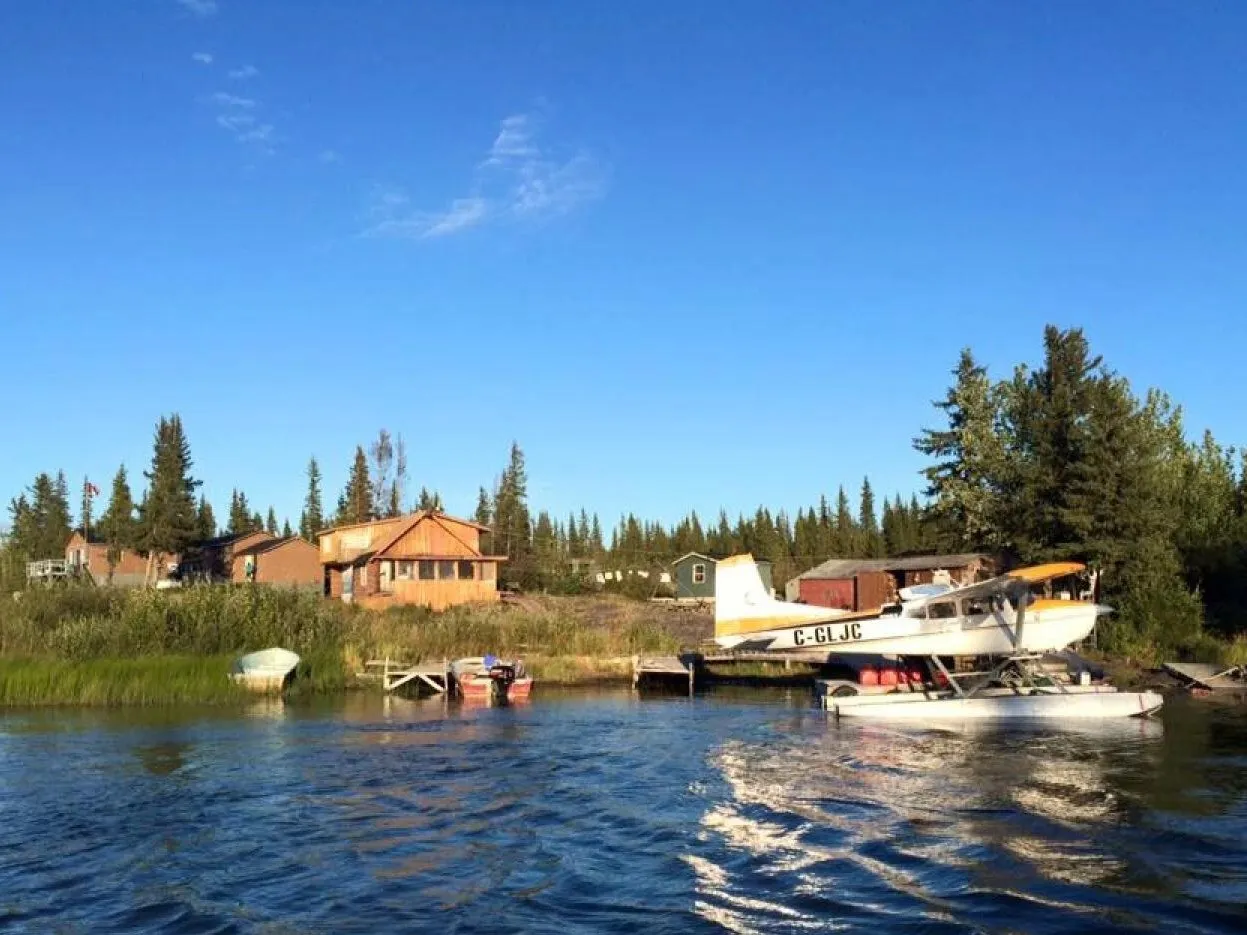
To guarantee you are positioned directly over the most productive shallow bays, flowing river mouths, and deep cabbage beds during optimal feeding windows, you must partner with an elite wilderness outfitter. For an all-inclusive, fully guided subarctic expedition featuring comfortable accommodations and unparalleled access to the best waters in the region, explore the majestic Taltson Bay Big Pike Lodge today. Their highly dedicated, expert team will happily guide you through their expansive, private fishing territory, placing you right in the heart of the most productive fishing grounds available. Working with a dedicated, professional crew ensures your personal safety, absolute comfort, and overall catch rate are all prioritised to the absolute highest degree.
Conclusion
The latest Great Slave Lake fishing report confirms what seasoned sportfishermen have known for decades: the Canadian subarctic remains one of the last true angling frontiers on Earth. From the explosive, heart-stopping surface strikes of a giant northern pike to the delicate, visual joy of casting dry flies for vibrant grayling, every single moment spent in this remote subarctic wilderness is truly extraordinary. By deeply understanding the seasonal migrations, selecting the proper heavy-duty tackle for the conditions, and trusting your journey to seasoned local professionals, you can confidently embark on the fishing trip of a landmark lifetime.
The pristine northern waters are crystal clear, the cabbage weed beds are teeming with baitfish, and the monster apex predators of the Northwest Territories are actively feeding. Ensure your preferred travel dates are safely locked in before the brief summer season fills up completely; check the available schedule and Book Now to reserve your private, unforgettable fly-in wilderness charter today.
Frequently Asked Questions (FAQs)
1. What is the current average size of Northern Pike being caught?
According to recent reports, the average northern pike caught in the southern bays is ranging between 35 and 40 inches. However, visiting anglers are consistently hooking into true trophy specimens that easily exceed the magical 45-inch mark, with some reaching up to 50 inches in length.
2. Are the bugs exceptionally bad during the late summer season?
While early summer can bring heavy populations of mosquitoes and blackflies, the late August and September period is significantly more comfortable. The cooler night-time temperatures drastically reduce insect activity, making your time on the water and around the lodge much more pleasant.
3. Do I need to hire a local guide to fish Great Slave Lake?
While experienced, self-reliant backcountry travellers can explore certain near-shore areas independently, booking a guided expedition is strongly recommended. A massive inland sea can be treacherous due to sudden weather shifts and unmarked underwater rock shoals. A professional guide ensures your safety and uses their local knowledge to keep you on the fish consistently.
4. What type of weather should I expect during a late summer fishing trip?
The weather in northern Canada can be highly unpredictable. During late August and September, you can expect crisp, cool mornings, pleasantly warm afternoons, and rapidly dropping temperatures as the sun sets. Packing a versatile layering system featuring moisture-wicking thermal base layers, insulating fleece, and heavy-duty waterproof outerwear is absolutely essential.
5. Can I keep the fish I catch for a traditional shore lunch?
Yes, the Northwest Territories allow for a specific harvest of smaller, abundant fish for immediate consumption, which is a beloved part of the authentic Canadian wilderness experience. However, nearly all premium lodges strongly enforce a strict catch-and-release policy for large, breeding-size trophy fish to ensure the long-term sustainability of the incredible fishery.