/filters:format(jpeg,png)/fit-in/300x300/guide_websites/13994/images/taltstonbaylogo.jpg)
/filters:format(jpeg,png)/fit-in/237x80/guide_websites/13994/images/taltstonbaylogo.jpg)
Great Slave Lake Fishing Seasons: A Subarctic Angler's Guide
%2Ffit-in%2F1000x1000%2Ffilters%3Aformat(webp)%2Fusers%2Ff3eb3bb8-5dae-4a1a-95cb-cbfa7bd5bcbf%2Fprofile%2F1710543429896.jpg&w=1920&q=75)
Published: September 15, 2026
For sportfishermen across the globe, the pristine waters of Canada's Northwest Territories represent an unparalleled frontier. Spanning an immense area of the subarctic, Great Slave Lake stands as the deepest lake in North America, harbouring an ecosystem that is both incredibly rich and beautifully harsh. Anglers journey to this remote expanse in pursuit of legendary apex predators: massive northern pike, ancient lake trout, and vibrant arctic grayling. However, successfully planning a maritime holiday in this region requires far more than simply selecting a location on a map.
Because the northern climate is characterised by long, brutal winters and very brief, intense summers, the biological behaviour of the fish changes rapidly. The Great Slave Lake fishing seasons are highly condensed, meaning that water temperatures, daylight hours, and aquatic vegetation growth dictate precisely where and how you should fish. Understanding these seasonal shifts is the absolute key to consistently locating trophy-sized catches. This comprehensive guide will detail the unique phases of the subarctic calendar, explore optimal tactics for each season, and help you select the ideal time to embark on an unforgettable Canadian angling adventure.
Understanding the Subarctic Climate and Ecology
To appreciate the rapid seasonal transitions of the lake, one must first understand the geographical and climatic forces at play.
The Deepest Lake in North America
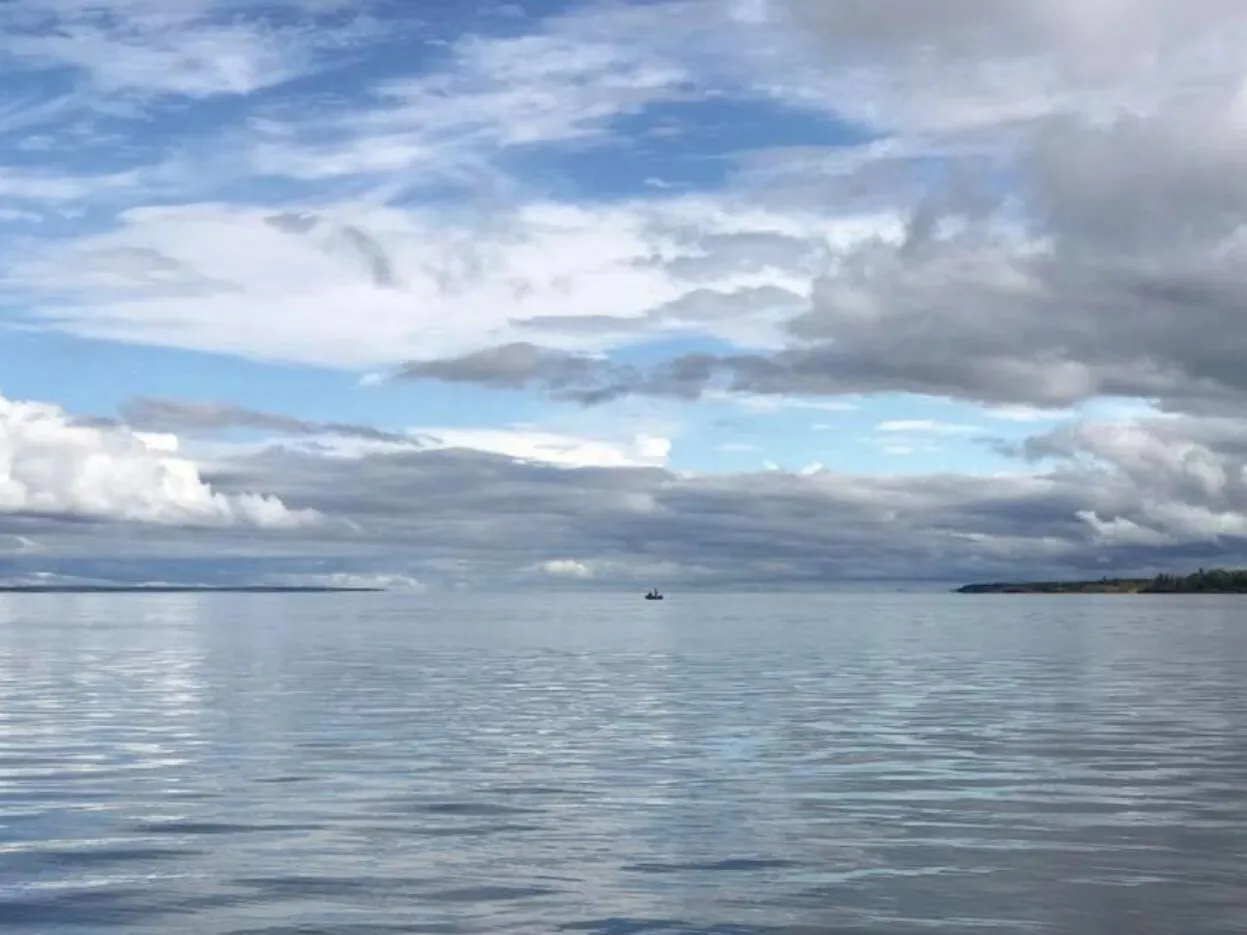
Great Slave Lake boasts depths exceeding two thousand feet, holding a massive volume of freezing, highly oxygenated water. This profound depth serves as a constant thermal refuge for deep-water species like lake trout, ensuring they thrive even during the height of summer. Conversely, the lake's expansive, shallow southern and eastern bays warm up rapidly under the summer sun, creating perfect sanctuaries and hunting grounds for northern pike.
The Phenomenon of the Midnight Sun
During the peak summer months, the region experiences the phenomenon of the Midnight Sun, where daylight stretches well past twenty hours. This prolonged solar exposure acts as a catalyst for the ecosystem, accelerating the growth of cabbage weed beds in shallow bays and sparking massive insect hatches in the flowing tributaries. The extended daylight allows visiting anglers to fish comfortably deep into the evening, maximising their time on the water and dramatically increasing their chances of a spectacular catch.
Spring Fishing (Late May to June): The Shallow Water Frenzy
The subarctic fishing season kicks off with a flurry of activity immediately following the ice-out in late May. For many seasoned anglers, this is the most exciting window of the entire year.
Explosive Post-Spawn Northern Pike
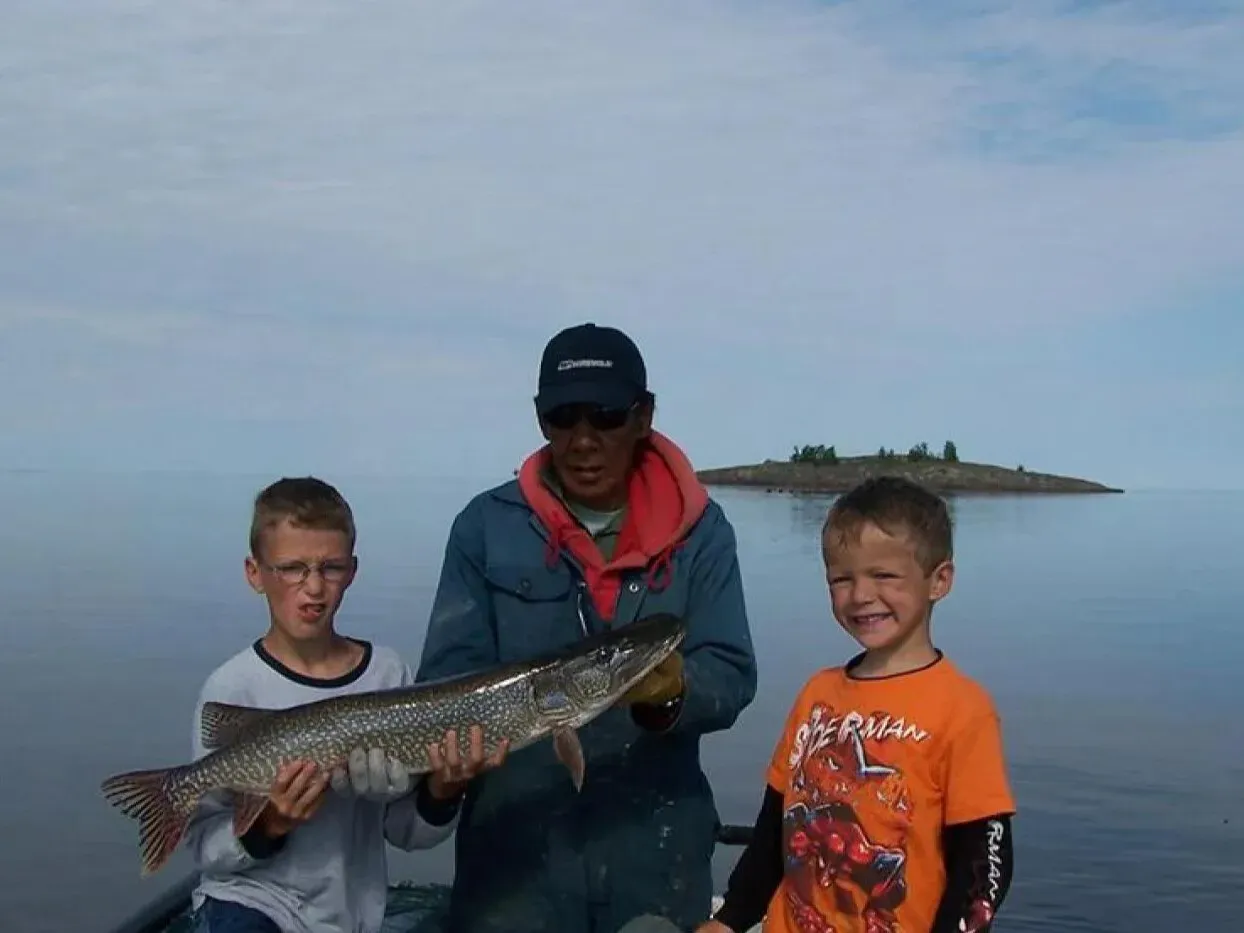
As the winter ice pack recedes, the dark-bottomed, shallow bays warm up rapidly. By late May and early June, mature female pike have completed their spawning rituals and move into extremely shallow water—often less than four feet deep—to bask in the sun and digest their meals. During this post-spawn period, their appetite is absolutely ravenous.
Because the water is crystal clear and the fish reside in extreme shallows, this window offers extraordinary opportunities for visual sight-casting. Working unweighted soft-plastic jerkbaits, large, flashy spoons, and slow-sinking swimbaits produces violent, highly visible strikes. Watching a forty-inch pike track your lure through glass-calm water before detonating on the surface is a heart-stopping experience that draws anglers to canada pike fishing lodges year after year.
Early Season Lake Trout and Grayling
While pike dominate the shallow bays, lake trout also venture into unusually shallow water during the spring. Because the surface temperatures remain frigid, these deep-water giants actively hunt along rocky shorelines and upper drop-offs, making them highly accessible to anglers casting heavy spoons or trolling without the need for deep downriggers.
Simultaneously, the flowing tributaries begin their spring runs. Engaging in arctic grayling fly fishing during the late spring is incredibly productive as these vibrant fish congregate near river mouths to feed on emerging aquatic insects.
Summer Fishing (July to August): Prime Wilderness Angling
As July arrives, summer is in full swing. The weather patterns stabilise, the water temperatures reach their annual peak, and the aquatic food web is operating at maximum capacity.
Deep-Water Lake Trout Tactics
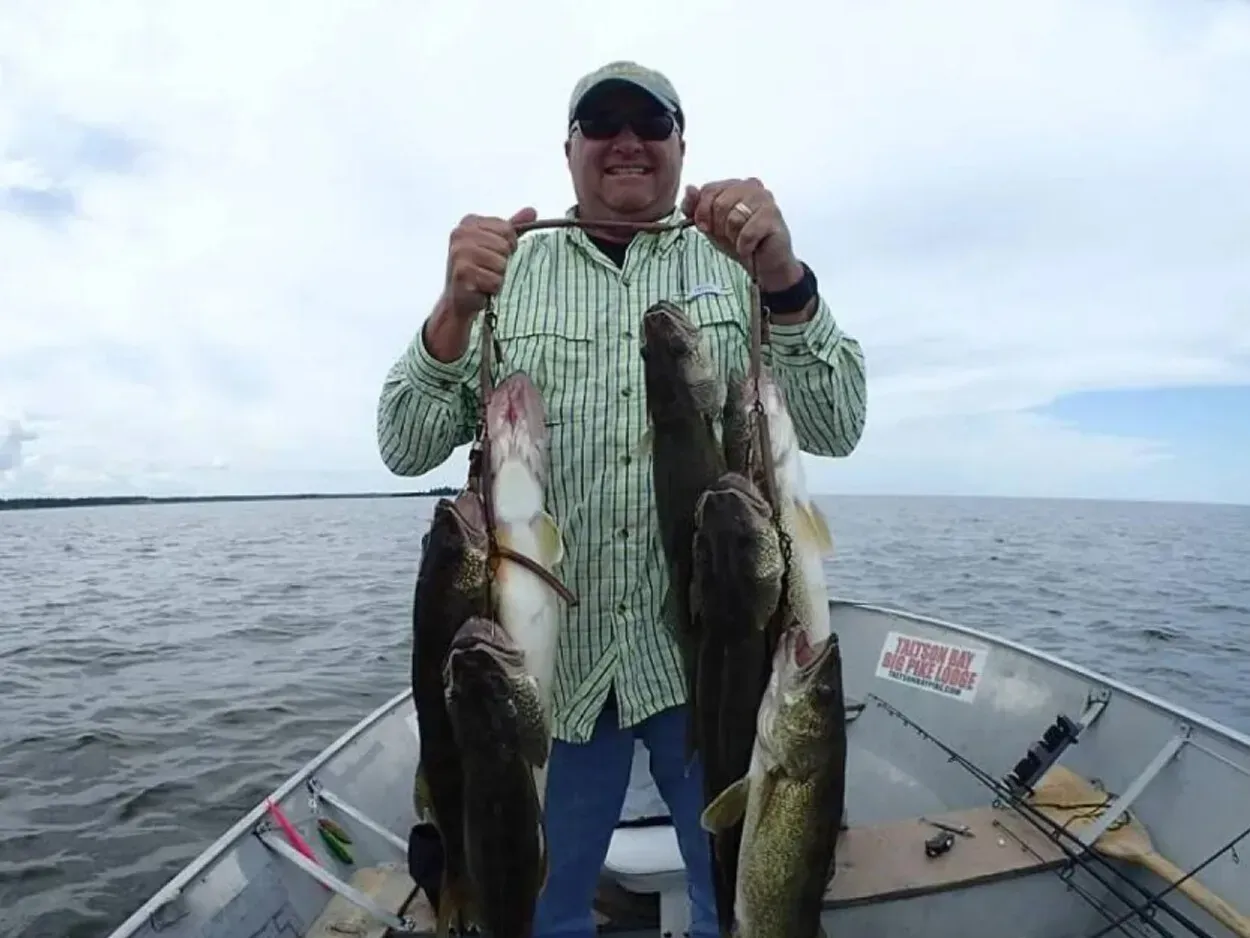
By midsummer, the surface waters warm sufficiently to push the massive lake trout back into the depths. Targeting these heavyweight champions during July and August requires specialised equipment and deep-water tactics. Anglers must rely on heavy lead-core lines, downriggers, or massive vertical jigs to reach the lower thermal layers where the trout actively hunt for ciscoes and whitefish. Trolling large, wobbling spoons in depths ranging from fifty to over a hundred feet can result in hooking a thirty-pound titan that will turn the battle into a gruelling, vertical test of physical endurance.
The Art of Arctic Grayling
Summer is the undisputed prime time for those who enjoy delicate, light-tackle presentations. If you are learning how to fish for arctic grayling, the fast-flowing, highly oxygenated river rapids are the places to be. These fish are enthusiastic surface feeders, making fly fishing for arctic grayling a genuine joy for purists.
When you are fly fishing arctic grayling, presenting dry patterns like Elk Hair Caddis or Adams in the foam lines and current seams is incredibly effective. For conventional spin anglers, identifying the right equipment is equally crucial. Small, flashy in-line spinners, micro-spoons, and lightweight marabou jigs serve as the most effective arctic grayling fishing lures. Casting these upstream and allowing them to drift naturally past submerged boulders guarantees non-stop action.
Midsummer Pike in the Cabbage Weeds
While lake trout dive deep, northern pike establish highly defined territories along the outer edges of lush cabbage weed beds. The thick aquatic vegetation provides perfect camouflage for these ambush predators. Anglers targeting summer pike should employ heavy double-bladed spinnerbaits, large inline bucktails, and deep-diving crankbaits retrieved briskly along the weed edges. The aggressive reaction strikes from fish hidden within the thick green foliage are nothing short of spectacular.
Autumn Fishing (September): The Heavyweight Trophy Hunt
As September approaches, the daylight hours shorten, the air turns crisp, and the surrounding boreal forest transforms into a stunning tapestry of gold and crimson.
Hyperphagia and Heavy Shoulders
Autumn triggers a biological response known as hyperphagia in northern predators. Knowing that the long, harsh winter is rapidly approaching, pike and lake trout enter an intensive feeding period, consuming massive amounts of high-protein forage to build essential fat reserves. The dying shallow vegetation pushes large pike out toward deep green weed beds, steep rocky drop-offs, and main-lake reefs.
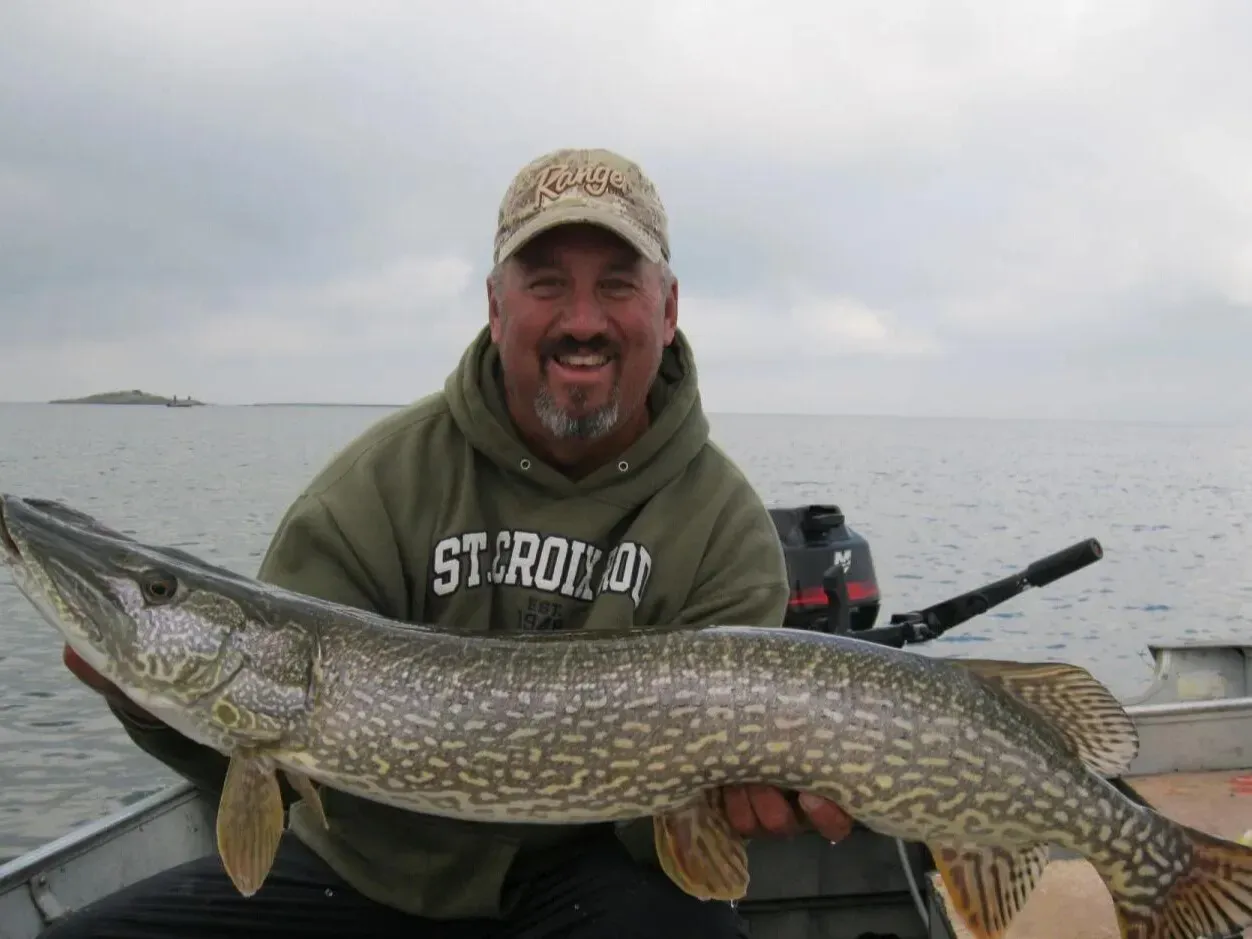
Pike caught in September are at their maximum annual weight, possessing thick, muscular girth and heavy shoulders. Anglers targeting a true fifty-inch subarctic giant often favour the late-season autumn window. Upsizing your offerings to large ten-to-twelve-inch swimbaits and heavy casting spoons presented near bottom drop-offs tempts heavily feeding autumn monsters.
The Spectacle of the Northern Lights
Fishing in the autumn offers an incredible aesthetic bonus. As the nights grow longer and darker, the skies frequently erupt with the breathtaking colours of the Aurora Borealis (Northern Lights). Watching this brilliant natural phenomenon dance across the sky after a successful day on the water is an unforgettable experience that perfectly caps off a subarctic holiday.
Choosing the Right Base Camp
The remote nature of the Northwest Territories means that your choice of accommodation strictly dictates your access to the most productive fishing grounds.
Exploring Fort Resolution and the Taltson River
The historic community of fort resolution Canada serves as the primary cultural and logistical staging hub for expeditions into the southern basin of the lake. Situated in fort resolution nt, this charming settlement—frequently referred to by locals as fort res—has deep Indigenous roots dating back centuries to the historical fur trade.
Accessing the remote waters near fort resolution talston allows anglers to fish untamed river deltas and rocky outer bays that rarely see human footprints. Planning an itinerary through fort resolution northwest territories ensures an authentic northern wilderness experience. Specifically, engaging in taltson river pike fishing provides unmatched access to deep, flowing channels where giant predators wait in ambush. During days away from the water, exploring the historical sites highlighted in Things To Do In Fort Resolution provides visitors with rich cultural insight into the traditions and natural heritage of the North.
Comparing Subarctic Wilderness Lodges
When planning a bucket-list Canadian angling holiday, researching great slave lake fishing lodges and evaluating various fishing lodges nwt is essential for selecting the right outpost. While some international travellers may look toward other legendary northern locations like great bear lake lodge Canada or great bear lake lodge for massive trout, Great Slave Lake remains the undisputed king for providing an incredible mixed-bag fishery featuring immense numbers of heavy northern pike, trout, and grayling. Engaging in great slave lake lodge fishing from a strategically located outpost ensures you spend less time commuting over rough water and far more time actively casting. Reviewing detailed Fort Resolution fish species profiles will further help you align your travel dates with the specific fish you wish to target.
Elevate Your Adventure with Premier Wilderness Lodging
Extracting massive pike from subarctic weedbeds requires intimate local knowledge, seaworthy equipment, and experienced guides who understand the shifting seasonal patterns of the north. Attempting to navigate the immense waters of Great Slave Lake without local expertise can lead to wasted time and unproductive days.
Partnering with an elite wilderness outfitter guarantees that you are positioned on the most productive shallow bays, river mouths, and deep cabbage beds during optimal feeding windows. To secure an elite, all-inclusive adventure featuring comfortable accommodations and unparalleled access to the finest waters in the region, explore Taltson Bay Big Pike Lodge today. Their expert team will happily guide you through their expansive fishing territory, placing you directly over the most productive fishing grounds in the Northwest Territories. Working with a dedicated, highly professional crew ensures your personal safety, comfort, and catch rate are all prioritised to the absolute highest degree, allowing you to focus entirely on the thrill of the catch.
Conclusion
Timing your trip to conquer the Great Slave Lake fishing seasons depends entirely on your preferred style of angling. Whether you choose the explosive, shallow-water sight-casting of the spring ice-out, the stable weather and lush weedbed action of midsummer, or the heavyweight trophy hunting of the crisp early autumn, these subarctic waters deliver an angling adventure that is unequivocally second to none.
By understanding the seasonal migrations, selecting the right heavy-duty tackle, and trusting your journey to experienced northern professionals, you set the stage for an unforgettable wilderness triumph. The northern waters are perfectly clear, the cabbage beds are teeming with baitfish, and the monster predators of the Northwest Territories are waiting for your presentation. Check the seasonal availability, secure your travel dates, and Book Now to reserve your private wilderness fishing adventure today.
Frequently Asked Questions (FAQs)
1. What month is the absolute best time to catch giant Northern Pike in Canada?
June and September are widely considered the two peak months. June offers incredible sight-casting in shallow bays as pike recover from spawning, while September produces the heaviest fish of the year as pike gorge on baitfish before the ice returns.
2. Is it safe to travel to such remote areas of the Canadian wilderness?
Yes. Reputable lodges prioritise safety above all else. They utilise reliable bush planes for transport, employ highly experienced captains who know the hidden hazards of the waters intimately, and maintain robust, satellite-based communication systems to ensure guest safety during sudden weather shifts.
3. What is considered a trophy-sized Northern Pike in Great Slave Lake?
In Great Slave Lake, a northern pike measuring 40 inches or longer is considered a true trophy. Specimens exceeding 45 to 50 inches with weights surpassing 25 to 30 pounds are caught and released every single season in these highly fertile northern waters.
4. Do I need to bring my own fishing gear to a fly-in lodge?
While many experienced anglers prefer to bring their own trusted rods and reels, premium lodges often provide top-quality, well-maintained tackle suited specifically for the massive fish found in their local waters. It is always highly recommended to confirm with your chosen outfitter prior to departure.
5. What type of weather should I expect during the northern fishing season?
Summer weather in the Northwest Territories is generally pleasant, with daytime temperatures ranging from 15°C to 25°C. However, northern weather can change rapidly, so packing layered clothing, thermal base layers, and a heavy-duty waterproof outer shell is strongly recommended.