Lake Trout Fishing Canada: The Ultimate Subarctic Angler's Guide

Published: September 15, 2026
Across the vast, glaciated expanse of the Canadian wilderness lies a freshwater angling frontier unlike any other on Earth. For dedicated sportfishermen, Canada's northern lakes represent the pinnacle of deep-water big-game fishing. Beneath the cold, crystal-clear surfaces of these subarctic giants lurks one of the most powerful, ancient, and revered apex predators in freshwater: the Lake Trout (Salvelinus namaycush).
Known for their immense size, dark mottled colouration, and unyielding stamina, Canadian lake trout—often referred to by anglers simply as "lakers"—thrive in the frigid, nutrient-rich waterways of the subarctic. Pursuing these heavyweight titans requires specialised gear, tactical understanding of thermal layers, and an appreciation for the wild environments they inhabit.
Whether you are vertically jigging across plunging underwater drop-offs, slow-trolling spoons along rocky shorelines, or exploring flowing river mouths, landing a thirty-to-forty-pound subarctic laker is a transformative experience. This comprehensive guide details the biology, tactics, seasonal patterns, and prime locations for experiencing the very best lake trout fishing Canada has to offer.
The Majesty of Canadian Lake Trout
To successfully locate and battle trophy lake trout, one must first understand the biology and environmental conditions that allow them to reach legendary proportions.
Biology, Longevity, and Cold-Water Habitats
Unlike warm-water species that grow rapidly and burn out early, lake trout are a slow-growing, exceptionally long-lived member of the char family. In the freezing waters of northern Canada, a trophy lake trout exceeding thirty pounds may be thirty to fifty years old.
Lake trout demand clean, cold, and highly oxygenated water, thriving best in temperatures between 8°C and 12°C. In massive subarctic lakes, these ideal conditions exist year-round. An abundant forage base of ciscoes, lake whitefish, and juvenile pelagics provides the high-fat diet required for lakers to develop thick shoulders and broad, powerful paddle tails.
The Brutal Fighting Power of Subarctic Titans
Hooking a massive lake trout is entirely different from battling acrobatic river gamefish. Lakers rarely jump; instead, they use their immense weight, muscular girth, and wide pectoral fins to plane against the rod, making blistering downward runs into the dark abyss.
A hooked fish will repeatedly dive towards bottom structure, testing the smooth drag of your reel and the physical stamina of your arms. Pumping a thirty-pound fish up from eighty feet of water demands steady pressure, patience, and heavy-duty tackle built to endure prolonged physical strain.
Premier Canadian Destinations for Lake Trout
While lake trout inhabit waters across the country, the deep basins of the northern territories provide the most prolific trophy action on the continent.
Great Slave Lake: An Inland Sea with Massive Depths
Plunging to depths of more than two thousand feet, Great Slave Lake is the deepest body of water in North America and a world-renowned epicentre for trophy gamefish. Engaging in great slave lake lodge fishing gives anglers access to an inland sea that remains largely untouched by commercial pressure.
The lake features deep trenches, underwater reefs, and dramatic drop-offs that hold massive concentrations of lake trout throughout the summer. Staying at premier great slave lake fishing lodges allows sportsmen to target monster trout in the morning before transitioning to shallow bays for giant northern pike in the afternoon.
Comparing Northern Waters: Great Bear Lake and Beyond
When planning a Canadian expedition, many anglers evaluate legendary locations across the North. Destinations like great bear lake lodge Canada and the historic great bear lake lodge are famous for massive lake trout records. However, Great Slave Lake offers distinct advantages: a richer mixed-bag fishery, more sheltered archipelago waters that reduce weather delays, and easier logistical access.
When evaluating top fishing lodges nwt, selecting an outpost on Great Slave Lake ensures you experience world-class lake trout alongside prolific pike, walleye, and grayling action.
Proven Tactics and Techniques for Lake Trout
Successfully catching subarctic lake trout requires adapting your methods to the changing thermal layers throughout the open-water season.
Spring Shallow-Water Trolling and Casting
Immediately following the ice-out in late May and early June, surface water temperatures remain uniformly frigid. During this brief window, lake trout leave the dark depths to hunt in shallow bays, rocky shorelines, and island points in water as shallow as five to fifteen feet.
- Tactics: Flat-line trolling large wobbling spoons (such as classic five-of-diamonds or silver-and-blue patterns) and casting large shallow-running minnow plugs tight to rocky structure.
- The Advantage: Light-tackle spinning gear and medium-heavy baitcasting setups can be used without heavy sinkers or downriggers, creating an intimate, highly visual fight.
Midsummer Deep-Water Jigging and Downrigging
As summer sunlight warms the upper water column in July and August, lake trout retreat into the deeper, colder thermal zones, typically holding between 50 and 120 feet down along steep drop-offs and submerged humps.
- Vertical Jigging: Drifting over deep structure with two-to-four-ounce white tube jigs, heavy lead spoons, or bonded soft plastics. Anglers bounce the lure off the rocky bottom, snapping the rod tip upward to trigger reaction strikes.
- Downrigging and Trolling: Utilizing downriggers, wire lines, or heavy diving planers to present large spoons and dodger-and-fly combinations directly into the feeding zone marked on modern sonar units.
Autumn Pre-Spawn Aggression
By September, shorter daylight hours and falling water temperatures trigger the lake trout's annual spawning migration. Mature fish congregate heavily on shallow, wind-swept gravel bars, rocky reefs, and boulder-strewn points in ten to twenty feet of water.
- Aggressive Strikes: Pre-spawn lakers become highly territorial and aggressive, striking large casting spoons, heavy crankbaits, and large soft-plastic swimbaits with ferocious intensity.
- Peak Condition: Autumn fish display vibrant breeding colouration, with brilliant orange fins tipped in crisp white edges.
Multi-Species Action: Pike, Grayling, and Beyond
One of the greatest benefits of booking a subarctic angling holiday is the opportunity to enjoy diverse multi-species sport alongside your lake trout pursuits. Reviewing detailed Fort Resolution fish species profiles allows anglers to understand how these species interact across different depth zones.
Trophy Northern Pike and the Taltson River System
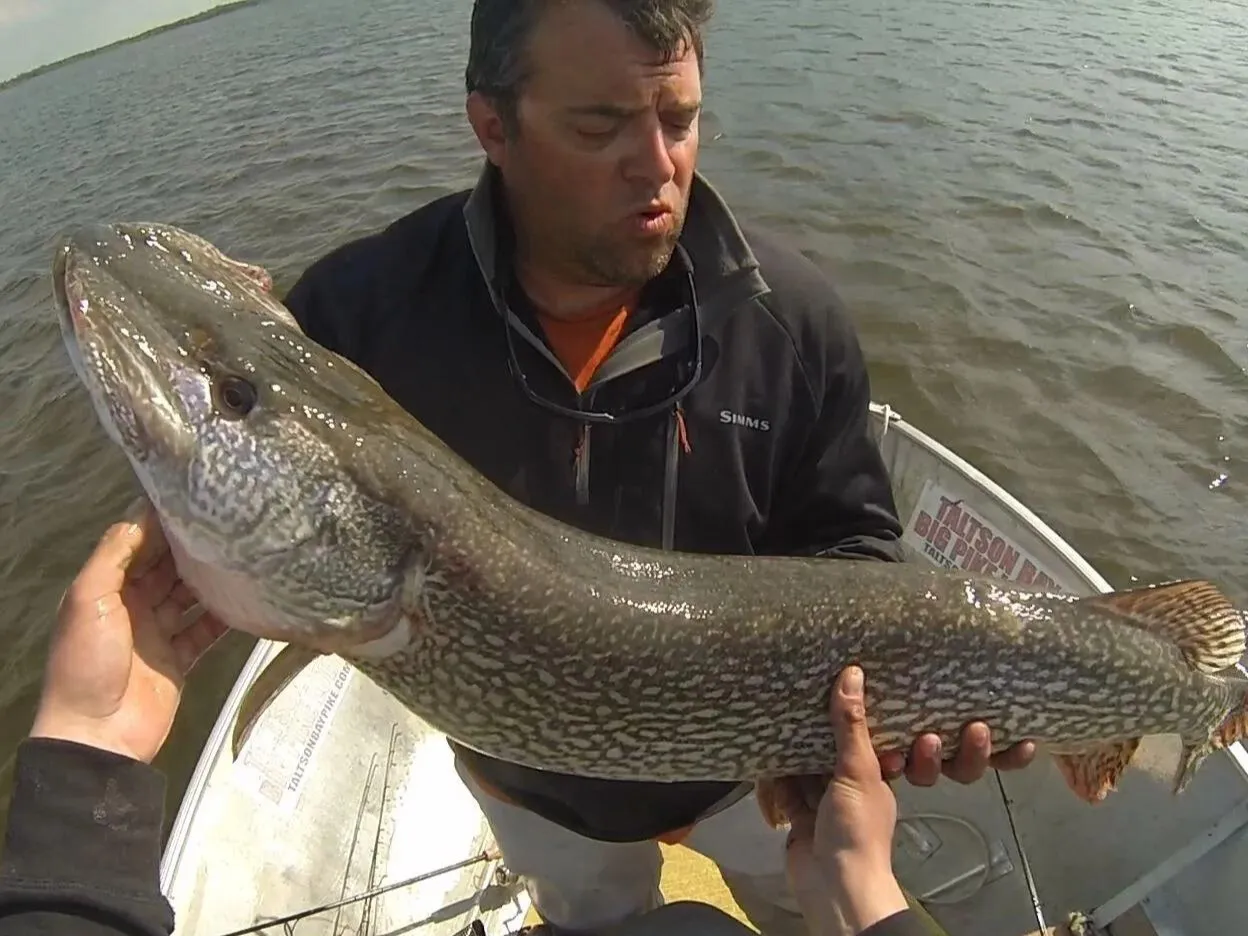
In the shallow cabbage weed beds and river mouths, the ferocious Northern Pike reigns supreme. Participating in taltson river pike fishing provides non-stop action for broad-shouldered water wolves that attack heavy spoons and surface plugs.
The inflow of nutrient-dense river currents creates perfect ambush points where pike and walleye congregate. When researching canada pike fishing lodges, operations situated near major river deltas offer the ideal balance of shallow-water pike action and deep-water lake trout drop-offs.
The Refined Art of Arctic Grayling
For light-tackle purists, northern tributaries offer world-class sport for the iconic Arctic Grayling (Thymallus arcticus). Recognisable by their iridescent colours and oversized, sail-like dorsal fins, grayling provide a delicate, visual contrast to heavy-duty trout fishing.
If you are exploring how to fish for arctic grayling, the fast-flowing current seams are the primary focus. They are enthusiastic surface feeders, making arctic grayling fly fishing a delightful pursuit. When fly fishing arctic grayling, drifting dry flies like the Elk Hair Caddis or Royal Wulff yields consistent surface takes. When the fish hold deeper, fly fishing for arctic grayling using small bead-head nymphs or streamers produces steady action.
For conventional anglers, casting small in-line spinners and micro-jigs provides fantastic sport, proving that these are the most productive arctic grayling fishing lures available.
The Cultural Hub of Fort Resolution and Northern Lodging
A complete subarctic journey blends world-class angling with the rich cultural history of northern communities.
Staging from Historic Fort Resolution
Situated on the southern shores of Great Slave Lake, the historic settlement of fort resolution Canada serves as the primary staging hub for southern basin charters. Known locally as fort res, this welcoming community has deep roots in Indigenous heritage and the early fur trade.
Operating out of fort resolution nt gives anglers immediate access to protected channels, river mouths, and the open lake. Choosing to stage your journey through fort resolution northwest territories or accessing the prime waters of fort resolution talston ensures unpressured fishing grounds.
On days away from the boat, exploring the local heritage outlined in Things To Do In Fort Resolution allows visitors to discover historic trading posts, heritage centres, and scenic territorial parks.
Wilderness Accommodations Across Northwest Territories
Selecting the right base camp is critical when planning your trip. The top wilderness outposts combine rugged subarctic isolation with warm hospitality, cosy cabins, hot showers, and hearty home-cooked meals.
Partnering with veteran local guides who understand underwater humps, seasonal movements, and weather patterns ensures that your time on the water is safe, productive, and comfortable. Reviewing the expansive fishing territory managed by experienced outfitters helps anglers visualise the vast network of islands and deep drop-offs available for exploration.
Elevate Your Adventure with Taltson Bay Big Pike Lodge
Extracting massive lake trout from deep subarctic basins and navigating expansive northern waters requires specialised vessels, quality electronics, and veteran local knowledge. Attempting to locate deep-water structure on Great Slave Lake without professional expertise can result in wasted time and missed opportunities.
Partnering with a premier wilderness outfitter guarantees that you are positioned over the most productive deep reefs, river mouths, and shallow weed beds during optimal feeding windows. To secure an all-inclusive wilderness adventure featuring comfortable accommodations and unparalleled access to the finest waters in the region, explore Taltson Bay Big Pike Lodge today. Their expert guiding team will position you directly over trophy lake trout and giant pike, delivering a safe, rewarding, and unforgettable subarctic holiday.
Conclusion
Lake trout fishing in Canada represents one of the most rewarding pursuits in freshwater sportfishing. From the heavy, pulsating strike of a deep-water giant to the visual thrill of casting shallow reefs during the spring ice-out, every moment on the water delivers intense excitement.
By understanding seasonal depth transitions, selecting the proper jigging and trolling tackle, and trusting your journey to experienced northern professionals, you set the stage for an extraordinary angling achievement. The icy depths of Great Slave Lake are calling, the forage schools are thick, and the subarctic giants of the Northwest Territories are waiting. Check seasonal availability, secure your travel dates, and Book Now to reserve your private wilderness charter today.
Frequently Asked Questions (FAQs)
1. What is the average size of lake trout caught in northern Canada?
In subarctic waters like Great Slave Lake, lake trout commonly average between 10 and 20 pounds, with trophy fish weighing 25 to 40 pounds or more caught and released regularly throughout the season.
2. What is the best depth to catch lake trout during the summer?
During July and August, lake trout seek cold water and typically hold in depths ranging from 50 to 120 feet around underwater humps, reefs, and steep drop-offs.
3. Can I catch lake trout on light tackle or fly gear?
Yes. In late May and early June (immediately following ice-out) and again in September (pre-spawn), lake trout move into shallow waters (5 to 15 feet), where they can be targeted effectively with casting spoons, shallow crankbaits, and heavy sinking fly lines.
4. What lures are most effective for vertical jigging lake trout?
White tube jigs (1.5 to 3 ounces), heavy lead casting spoons, blade baits, and large bonded soft-plastic swimbaits bounced along deep rocky structure are exceptionally productive.
5. Are lake trout good to eat?
Yes, smaller lake trout (under 5 pounds) provide firm, flavorful fillets that are delicious when pan-fried or smoked during a traditional northern shore lunch. Larger trophy specimens are typically released to protect breeding stock and preserve the fishery.