/filters:format(jpeg,png)/fit-in/300x300/guide_websites/13994/images/taltstonbaylogo.jpg)
/filters:format(jpeg,png)/fit-in/237x80/guide_websites/13994/images/taltstonbaylogo.jpg)
Lake Trout Fishing Report: Subarctic Angling Update
%2Ffit-in%2F1000x1000%2Ffilters%3Aformat(webp)%2Fusers%2Ff3eb3bb8-5dae-4a1a-95cb-cbfa7bd5bcbf%2Fprofile%2F1710543429896.jpg&w=1920&q=75)
Published: September 15, 2026
For sportfishermen across the globe, the pristine, glaciated waters of northern Canada represent the absolute zenith of freshwater big-game angling. While many international visitors travel north specifically in pursuit of massive water wolves, the latest lake trout fishing report confirms that the deep basins of the subarctic are producing truly monumental catches this season. The legendary Lake Trout (Salvelinus namaycush), known for its immense size, ancient lineage, and brutal fighting strength, commands immense respect and enthusiasm among dedicated anglers.
In the Northwest Territories, the cold-water ecosystems create an environment where these apex predators thrive in staggering numbers and grow to astonishing sizes. Far removed from the heavy recreational traffic of southern lakes, subarctic lake trout are aggressive, incredibly abundant, and provide the ultimate test of physical endurance. As the summer season progresses and the aquatic landscape begins its subtle transition toward autumn, the feeding patterns of these deep-water giants are shifting, offering spectacular opportunities for visiting sportsmen.
Whether you are vertically jigging over plunging rocky shoals, trolling heavy hardware through the dark abysses, or simply revelling in the breathtaking beauty of the Canadian wilderness, the action is relentlessly thrilling. This comprehensive lake trout fishing report details the current conditions, prime habitats, multi-species opportunities, and proven tactics for mastering the latest fishing action in the spectacular Canadian north.
Current Lake Trout Conditions on Great Slave Lake
Understanding the unique physical characteristics of the lake trout and their current seasonal behaviour will dramatically improve your success rate on the water. Great Slave Lake, the deepest lake in North America plunging to depths exceeding 614 metres, serves as an unparalleled incubator for these massive fish.
Water Temperatures and Thermal Shifts
As we move through late August and approach the early autumn transition, the surface waters of the subarctic lakes are beginning to cool gradually. Lake trout, which strictly require cold, highly oxygenated water and typically seek refuge in deep, thermal layers during the high summer heat, are actively shifting their territories. The latest fishing reports indicate massive fish are slowly beginning to move upwards from the freezing depths, congregating tightly along submerged reefs, mid-lake humps, and steep, rocky drop-offs in depths ranging from fifty to eighty feet.
This upward thermal migration makes them increasingly accessible to anglers. The fish are currently feeding voraciously on massive schools of ciscoes and lake whitefish to build fat reserves before the harsh winter sets in. The cooling temperatures mean that anglers can reach these giants without always relying on complex, heavy downrigger systems, making the fight much more direct and intensely physical.
Deep-Water Tactics and Success Rates
Currently, vertical jigging and deep-water trolling remain the dominant and most highly productive tactics for subarctic lakers. Utilising medium-heavy, fast-action casting or spinning rods, anglers are dropping three-to-four-ounce white tube jigs, heavy lead casting spoons, and large soft-plastic swimbaits directly into the schools marked on modern sonar units. The key to success right now is maintaining constant contact with the bottom structure, subtly hopping the jig upward and allowing it to flutter down enticingly.
When a thirty-pound titan strikes, the battle becomes a gruelling, vertical tug-of-war. These fish do not jump; instead, they use their immense weight and broad pectoral fins to plunge straight down, demanding absolute patience and unwavering stamina. Anglers are reporting exceptional catch rates, with many fish landed in the twenty-to-thirty-pound class, firmly cementing the region's status as a world-class trout fishery.
Exploring the Dynamic Subarctic Ecosystem
One of the greatest benefits of booking a subarctic holiday is the opportunity to enjoy a highly diverse, mixed-bag fishery. Reviewing detailed Fort Resolution fish species profiles allows anglers to seamlessly switch tactics and target a variety of apex predators throughout the day.
The Thrill of Taltson River Pike Fishing
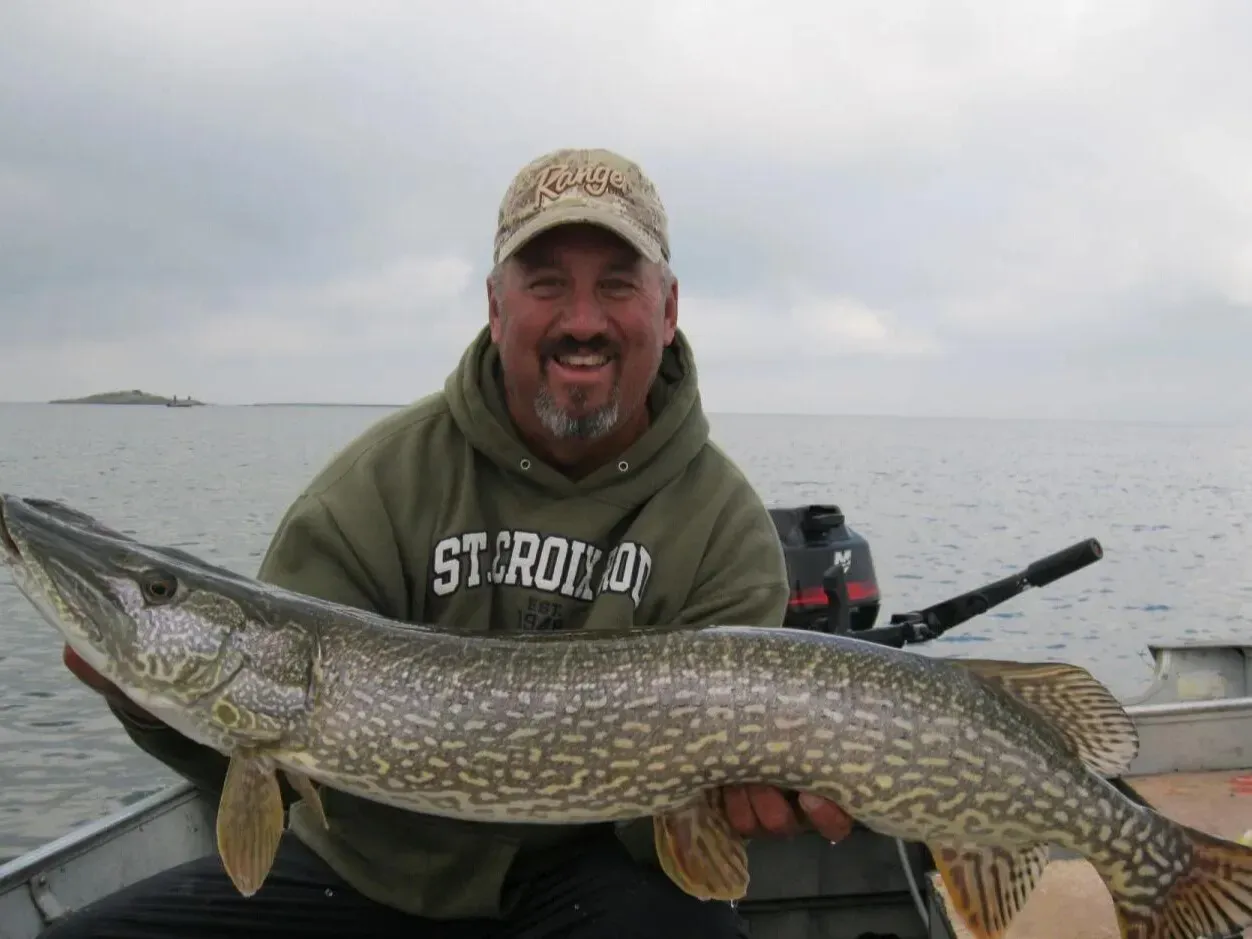
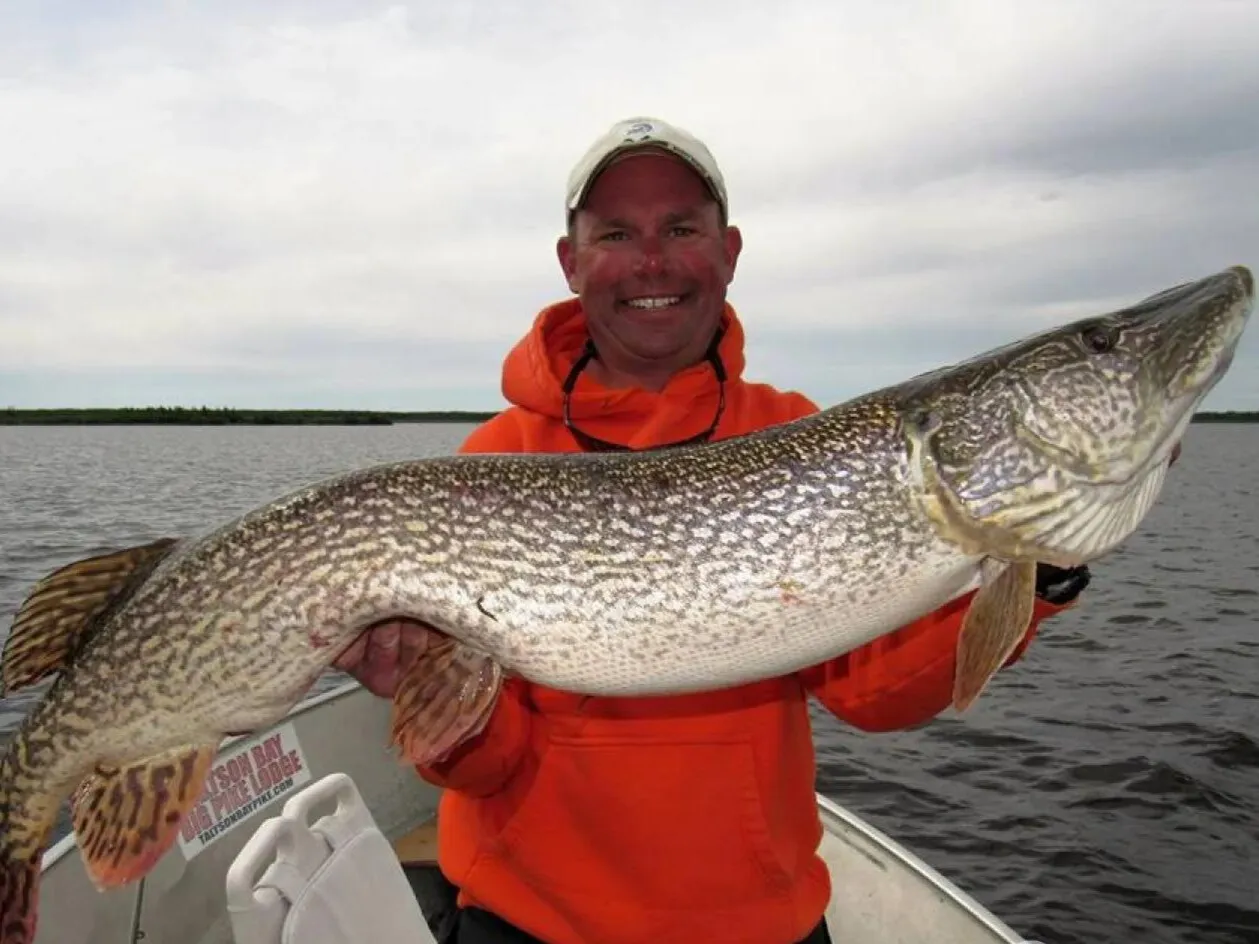
While lake trout provide intense deep-water battles, the shallow coastal bays and flowing river mouths are unequivocally ruled by the ferocious Northern Pike. Engaging in taltson river pike fishing is a spectacular, bucket-list experience that perfectly complements a trout expedition. The nutrient-dense currents sweep forage into the main lake, creating natural feeding stations where giant, broad-shouldered pike wait in ambush.
Casting heavy spoons and large swimbaits along these dense cabbage weed edges often results in heart-stopping surface strikes that simply cannot be replicated in heavily pressured southern waters. The current pike action remains incredibly hot, with anglers consistently pulling forty-inch-plus fish from the shallow, sun-warmed bays.
The Grace of the Arctic Grayling
For light-tackle purists seeking a delicate contrast to the heavy-duty lifting of deep-water trout fishing, the fast-flowing northern tributaries offer world-class sport for the iconic Arctic Grayling. Recognisable by their iridescent colours and magnificent, sail-like dorsal fins, grayling provide an exquisite, visual angling experience.
If you are currently exploring how to fish for arctic grayling, the primary focus should be the bubbling current seams where they face upstream to feed. They are enthusiastic surface feeders, making arctic grayling fly fishing an absolute joy for purists. When fly fishing arctic grayling, presenting highly visible dry flies like the Elk Hair Caddis or the Royal Wulff yields incredibly consistent surface takes. When the fish move slightly deeper during the bright midday sun, fly fishing for arctic grayling using small bead-head nymphs produces steady, non-stop action.
For conventional anglers using spinning gear, small in-line spinners and micro-jigs provide fantastic sport, proving once again that these are the most productive arctic grayling fishing lures available on the market. Engaging in light-tackle grayling fishing in the pristine wilderness provides a serene, beautifully visual conclusion to a day spent wrestling heavy lake trout from the deep reefs.
Staging Your Expedition: The Gateway to the North
A complete, unforgettable subarctic journey brilliantly blends world-class angling with the rich, profound cultural history of northern communities.
Historic Fort Resolution
Situated gracefully on the southern shores of Great Slave Lake, the historic settlement of fort resolution Canada serves as the primary cultural and logistical staging hub for expeditions into the southern basin. Known locally and affectionately as fort res, this welcoming community boasts deep roots in Indigenous heritage and the early northern fur trade.
Operating out of fort resolution nt gives visiting anglers immediate, rapid access to protected channels, sprawling river mouths, and the magnificent open lake. Choosing to stage your journey through fort resolution northwest territories or accessing the pristine, secluded waters near fort resolution talston ensures you are casting in unpressured fishing grounds that rarely see human activity. The historical charm of the settlement provides a fascinating cultural backdrop to your wilderness angling adventures.
On days away from the boat, immersing yourself in the surrounding landscape is highly recommended. Exploring the local heritage outlined in Things To Do In Fort Resolution allows visitors to discover historic trading posts, heritage centres, and scenic territorial parks, ensuring your itinerary is wonderfully diverse and culturally enriching.
Selecting Your Wilderness Base
Extracting massive lake trout from deep subarctic basins and navigating expansive northern waters requires specialised vessels, quality electronics, and veteran local knowledge. Selecting the right wilderness outpost is absolutely critical for your success and safety.
When evaluating various canada pike fishing lodges and comparing premier fishing lodges nwt, choosing an operation that blends rugged isolation with modern comfort is essential. The finest outposts feature warm, weather-tight cabins, hot showers, and hearty home-cooked meals served after a long, exhausting day of exploration.
Some international travellers may initially research extreme deep-water destinations like great bear lake lodge Canada or the historic great bear lake lodge to target trout exclusively. However, engaging in great slave lake lodge fishing from a strategically located outpost ensures you spend significantly less time commuting over rough, open water and far more time actively fishing in high-percentage strike zones. By exploring the expansive fishing territory managed by experienced outfitters, you can easily visualise the vast network of pristine bays, river deltas, and underwater shoals that will serve as your personal playground.
Elevate Your Adventure with Premier Wilderness Lodging
Attempting to locate deep-water structure on Great Slave Lake without professional expertise can result in wasted time and missed opportunities. Partnering with a premier wilderness outfitter guarantees that you are positioned directly over the most productive deep reefs, river mouths, and shallow weed beds during optimal feeding windows.
To secure an elite, all-inclusive fly-in adventure featuring comfortable accommodations and unparalleled access to the finest waters in the region, explore the spectacular Taltson Bay Big Pike Lodge today. Their highly dedicated, expert team will happily guide you through their expansive, private territory, placing you right in the heart of the most productive fishing grounds in the Northwest Territories. Working with a dedicated, highly professional crew ensures your personal safety, absolute comfort, and overall catch rate are all prioritised to the absolute highest degree, allowing you to focus entirely on the thrill of the catch.
Conclusion
The latest lake trout fishing report confirms that the pristine waters of the Northwest Territories represent one of the most rewarding and dynamic pursuits in freshwater sportfishing. From the heavy, pulsating strike of a deep-water titan taking a vertical jig to the visual thrill of casting for grayling along a bubbling current seam under the golden evening light, every moment on the water delivers intense excitement.
By understanding the seasonal depth transitions, selecting the proper heavy-duty gear, and trusting your journey to experienced northern professionals, you set the stage for an extraordinary angling achievement. The icy depths of Great Slave Lake are calling, the forage schools are thick, and the apex predators of the subarctic are actively feeding. Check seasonal availability, secure your travel dates, and Book Now to reserve your private, unforgettable fly-in wilderness charter today.
Frequently Asked Questions (FAQs)
1. What is the average size of lake trout currently being caught in Great Slave Lake?
The current fishing report indicates that the average lake trout being caught in the southern basin ranges between 10 and 20 pounds. However, visiting anglers are consistently hooking into true trophy specimens that weigh between 25 and 40 pounds, providing incredible, physically demanding battles on heavy tackle.
2. What colours are working best for lake trout right now?
In the exceptionally clear, deep waters of the subarctic, lures that closely mimic the natural forage (such as silver, white, and blue) are highly effective. However, during overcast days, bright, highly visible colours like chartreuse, glow-in-the-dark white, and the classic yellow-and-red Five-of-Diamonds pattern are consistently provoking the most aggressive reaction strikes from deep-water fish.
3. Do I need heavy tackle to fish for lake trout?
Yes, absolutely. Lake trout are incredibly powerful fish that use their immense weight to plunge into the depths. You must use medium-heavy to heavy fast-action casting or spinning rods paired with high-capacity reels. Spooling with a heavy braided line (40 to 65-pound test) paired with a heavy fluorocarbon leader provides the ultimate sensitivity and strength required to haul these giants from the abyss.
4. Are barbless hooks legally required in the Northwest Territories?
Yes, barbless hooks are legally mandatory across the Northwest Territories to protect the fishery. Crushing the barbs flat on your heavy spoons and tube jigs allows for much faster, safer hook removal, drastically reducing physical stress on the lake trout and ensuring exceptionally high survival rates upon release back into the deep water.
5. Can beginners easily catch lake trout on a guided trip?
Absolutely. Lake trout fishing, particularly vertical jigging over submerged reefs, is highly accessible for complete beginners. Professional guides provide hands-on instruction regarding jigging cadence, maintaining bottom contact, and strike detection, ensuring that even novice anglers can experience high catch rates and enjoy the thrill of battling a subarctic monster.