
What To Pack For A Fly-In Fishing Trip: The Complete Subarctic Checklist

Published: September 15, 2026
Embarking on a remote fly-in fishing trip into the Canadian subarctic is a bucket-list journey for passionate sportfishermen worldwide. The prospect of soaring over endless boreal forests, touching down on untouched waters, and casting for giant northern pike or iridescent arctic grayling is thrilling. However, because these remote outposts are isolated from commercial centres and roads, proper preparation is the single most important factor determining the success and comfort of your expedition.
Unlike standard drive-to fishing trips where you can easily visit a local tackle shop if you forget essential gear, a fly-in destination offers no such luxury. Everything you need for the week—from specialised tackle and layered clothing to personal medications and sun protection—must travel with you aboard the floatplane. Furthermore, strict aviation weight limits mean that you cannot simply pack everything you own. You must pack strategically, selecting high-performance, versatile items that maximise utility while staying well within gear allowances.
This comprehensive packing guide covers everything you need to prepare for an expedition to the Northwest Territories, detailing clothing layering systems, specialised fishing tackle, essential personal gear, and packing strategies for floatplane travel.
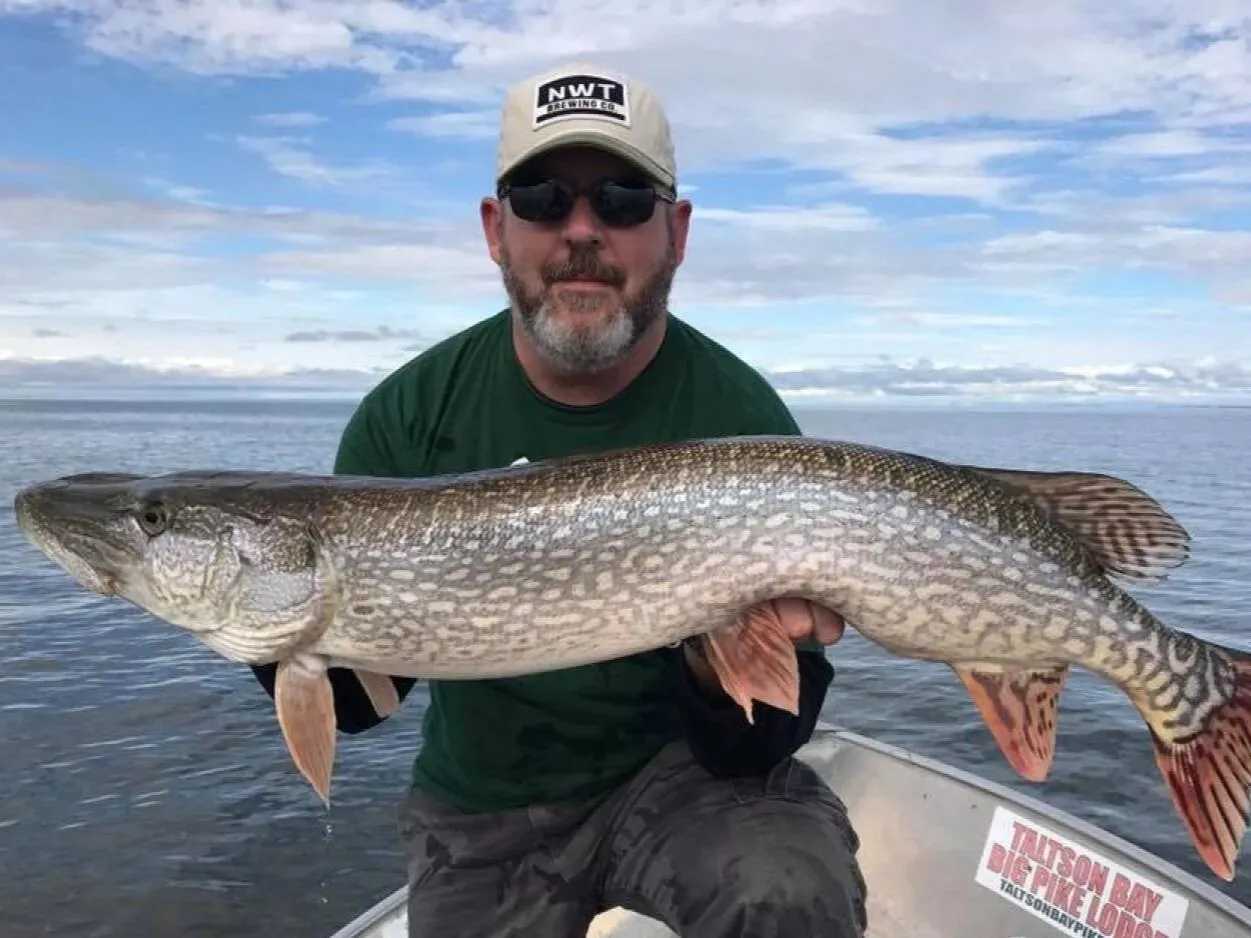
The Reality of Packing for a Remote Fly-In Trip
Before assembling your gear, it is critical to understand the logistical realities and environmental conditions of the subarctic wilderness.
Floatplane Weight Restrictions and Luggage Types
Floatplanes and bush aircraft have strict maximum payload capacities to ensure flight safety. Most fly-in operators enforce a luggage limit ranging between 40 and 50 pounds (18 to 23 kilograms) per passenger, which includes all personal clothing, gear, rods, and tackle.
To make the most of this allowance:
- Use Soft-Sided Duffels: Avoid heavy, rigid hard-shell suitcases. Lightweight, water-resistant duffel bags pack tightly into the irregular cargo holds of bush planes without adding unnecessary dead weight.
- Consolidate Tackle: Coordinate with your fishing partner to avoid duplicating heavy items such as hook sharpeners, jaw spreaders, and redundant lure selections.
- Weigh Your Gear in Advance: Use a luggage scale at home to check your packed bags before heading to the airport, ensuring you will not face repacking hassles at the floatplane dock.
The Dynamic Subarctic Climate
The weather in northern Canada can change dramatically in a matter of hours. During the open-water season, a single week can bring warm, sun-drenched afternoons reaching 25°C, followed by cold, wind-driven rains dropping near freezing. Packing for comfort requires preparing for every extreme through a versatile, high-performance layering system.
Essential Clothing and Layering Systems
The key to staying comfortable on the water in the far north is dressing in layers. Rather than relying on a single heavy coat, layering allows you to add or remove clothing throughout the day as temperatures fluctuate.
Base Layers and Moisture Management
Your base layer sits directly against your skin, responsible for wicking away sweat during physical activity and keeping you dry:
- Synthetic or Merino Wool: Choose lightweight to mid-weight tops and bottoms made from merino wool or high-grade polyester.
- Avoid Cotton: Cotton retains moisture when wet, causing rapid chilling when the wind picks up. Avoid cotton t-shirts, jeans, and cotton socks completely.
Insulating Mid-Layers
The mid-layer traps warm air generated by your body, providing insulation against cold subarctic winds:
- Fleece and Grid Knit Tops: Breathable fleece pullovers or zip-up jackets provide lightweight warmth without excessive bulk.
- Packable Down or Synthetic Jackets: A lightweight, compressible down or synthetic insulated jacket packs down small in your day pack and offers immediate warmth during early morning boat runs.
Waterproof and Windproof Outer Shells
Your outer layer is your primary defence against driving rain, lake spray, and wind chill:
- High-End Breathable Rainwear: Invest in heavy-duty, waterproof jackets and bibs featuring durable water-repellent membranes like Gore-Tex. Ensure the jacket has fully taped seams, an adjustable storm hood, and watertight wrist cuffs to prevent water from running down your arms while casting.
- Waterproof Bib Trousers: Bib-style rain trousers offer superior lower-back coverage and prevent water from seeping in when sitting on wet boat seats.
Footwear, Headwear, and Hand Protection
- Waterproof Deck Boots: High-traction rubber boots (such as neoprene-lined deck boots) keep your feet warm and dry while boarding and stepping on wet decks.
- Warm Socks: Pack several pairs of cushioned merino wool socks to prevent blisters and maintain warmth.
- Hats and Neck Gaiters: Bring a wide-brimmed sun hat or baseball cap for glare protection, a warm fleece beanie for chilly mornings, and a UPF-rated neck gaiter to protect your face from sun and wind.
- Gloves: Pack lightweight sun gloves for casting, alongside a pair of windproof, water-resistant fleece fishing gloves with fold-back fingers.
Fishing Tackle and Gear Essentials
While many reputable outfitters provide heavy equipment, bringing your preferred tackle ensures you are ready for every angling scenario. Reviewing specific Fort Resolution fish species profiles will help you match your tackle to the fish you will encounter.
Heavy-Duty Tackle for Monster Northern Pike
Engaging in taltson river pike fishing and casting shallow bays demands robust tackle built to withstand ferocious strikes:
- Rods and Reels: Medium-heavy to heavy fast-action casting or spinning rods (7'0" to 7'6") paired with sturdy reels spooled with 50-to-65-pound braided line.
- Lures: Heavy casting spoons (such as classic red-and-white patterns and five-of-diamonds), large double-bladed spinnerbaits, deep-diving crankbaits, and 8-to-10-inch soft plastic swimbaits.
- Surface Plugs: Large walk-the-dog topwater stickbaits and hollow-body weedless frogs for shallow cabbage bed explosions.
Fly Gear and Light Tackle for Arctic Grayling
If you are learning how to fish for arctic grayling, packing the proper light-tackle setup is essential:
- Fly Fishing Outfits: A 4-weight or 5-weight fly rod paired with a floating line is ideal for arctic grayling fly fishing. Pack a selection of dry flies (Elk Hair Caddis, Adams, Royal Wulff) and small bead-head nymphs. Engaging in fly fishing arctic grayling in fast-flowing tributaries provides incredible visual sport.
- Spinning Gear: A 6'0" light-action spinning rod paired with 6-pound monofilament line.
- Lures: Small in-line spinners (size 0 to 2), micro-spoons, and 1/16-ounce marabou jigs serve as the most effective arctic grayling fishing lures. Whether you are fly fishing for arctic grayling or working spinning gear, these delicate presentations yield non-stop action.
Leaders, Terminal Tackle, and Fish-Handling Tools
- Wire Leaders: Heavy 12-to-18-inch titanium or multi-strand steel leaders (tested to 45–60 lbs) are non-negotiable to prevent pike from severing lines with their razor-sharp teeth.
- Hook Removal Tools: Long-nose pliers and heavy-duty jaw spreaders are critical for safe, efficient unhooking of toothy predators.
- Polarised Sunglasses: Bring two pairs of high-quality polarised sunglasses with amber or copper lenses. Polarised lenses are indispensable for spotting following fish in the shallows and cutting surface glare under the Midnight Sun.
Personal Essentials, Health, and Safety
Staying healthy and comfortable in the wilderness allows you to focus completely on angling.
Insect Protection and Sun Defence
- Insect Repellent: High-concentration DEET or Picaridin sprays are essential during the summer months when mosquitoes and blackflies can be active in sheltered bays.
- Head Net: A lightweight bug jacket or head net takes up zero space in your bag and provides instant peace of mind during calm, humid evenings.
- Sunblock and Lip Balm: High-SPF, water-resistant sunscreen and SPF-rated lip balm are mandatory under the prolonged subarctic daylight.
Personal Medications and First Aid
- Prescription Medications: Bring enough medication for your entire stay, plus an extra 3–4 days' supply in case weather delays your return flight.
- Personal First Aid Kit: Pack basic pain relievers, blister care, motion sickness remedies, antihistamines, and antiseptic wipes.
- Hand Salve: Cold water and frequent fish handling can dry out your hands quickly; a heavy-duty skin repair balm prevents painful cracking.
Electronics, Power, and Waterproof Storage
- Portable Power Banks: Bring durable, high-capacity USB power banks to recharge phones, cameras, and action cameras in your cabin or on the boat.
- Waterproof Dry Bags: A 20-to-30-litre roll-top waterproof dry bag is essential for storing your extra clothing layers, camera gear, and lunch safely on the boat deck.
The Remote Gateway of Fort Resolution and Great Slave Lake
The southern shoreline of Great Slave Lake serves as the staging area for some of the most prolific trophy pike and grayling fisheries in the world.
The historic settlement of fort resolution Canada—often known to locals as fort res—is a vital cultural and logistical hub. Situated in fort resolution nt, this community connects visitors directly to the sprawling waters of fort resolution northwest territories. Staging your trip through fort resolution talston provides rapid access to pristine delta systems and unpressured outer bays.
When taking time away from the water, discovering the cultural heritage and scenic landmarks highlighted in Things To Do In Fort Resolution provides wonderful insight into the traditions and history of the North.
Choosing the Right Base Camp Across Northern Outposts
When evaluating canada pike fishing lodges, selecting the right outpost ensures that you spend more time casting and less time commuting.
While some anglers explore far-northern waters like great bear lake lodge Canada or great bear lake lodge for giant lake trout, Great Slave Lake remains the premier choice for incredible mixed-bag action. Comparing premier great slave lake fishing lodges and evaluating top fishing lodges nwt helps you find the perfect balance of rugged isolation and modern wilderness comfort. Opting for great slave lake lodge fishing guarantees access to both shallow, weed-filled bays and deep-water drop-offs. Reviewing the expansive fishing territory managed by experienced outfitters helps you visualise the extensive waters waiting to be explored.
Elevate Your Adventure with Taltson Bay Big Pike Lodge
Extracting massive northern pike from subarctic weedbeds requires intimate local knowledge, seaworthy equipment, and experienced guides who understand the shifting patterns of the north. Attempting to navigate the immense waters of Great Slave Lake without local expertise can lead to wasted time and missed opportunities.
Partnering with an elite wilderness outfitter guarantees that you are positioned on the most productive bays, river mouths, and cabbage beds during optimal feeding windows. To secure an all-inclusive fly-in adventure featuring comfortable accommodations and unparalleled access to the finest waters in the region, explore Taltson Bay Big Pike Lodge today. Their expert team will happily guide you through their expansive territory, placing you right over the most productive fishing grounds in the Northwest Territories. Working with a dedicated crew ensures your safety, comfort, and catch rate are all prioritised to the highest degree.
Conclusion
Packing properly for a fly-in fishing trip is the foundation of an unforgettable Canadian wilderness holiday. By respecting floatplane weight limits, investing in a high-performance layering system, and assembling the proper heavy-duty tackle for monster pike and light gear for grayling, you set the stage for an extraordinary adventure. The subarctic waters are clear, the cabbage weed beds are thriving, and the apex predators of the Northwest Territories are waiting for your presentation. Check the seasonal availability, pack your bags with confidence, and Book Now to reserve your private wilderness charter today.
Frequently Asked Questions (FAQs)
1. What is the typical luggage weight limit for a fly-in floatplane trip?
Most floatplane operators enforce a strict weight limit between 40 and 50 pounds (18 to 23 kg) per person, which includes all personal luggage, clothing, rods, and tackle boxes. Using soft-sided duffel bags helps maximise your allowable weight.
2. What type of rain gear is best for subarctic fishing?
Heavy-duty, breathable rainwear (such as Gore-Tex jackets and bib trousers) with fully taped seams and adjustable hoods is essential. Avoid cheap, thin plastic ponchos, as they tear easily and fail to block cold subarctic winds.
3. Do I need to bring my own fishing tackle to a fly-in lodge?
While most premium lodges provide top-quality rods, reels, and heavy-duty tackle suited specifically for their waters, many anglers prefer to bring their own trusted setups. Always check with your lodge in advance to confirm what gear is provided.
4. Are insect head nets really necessary?
While insect activity varies depending on the month and wind conditions, a lightweight head net takes up virtually zero space and provides instant comfort if mosquitoes or blackflies become active during calm, warm evenings.
5. Can I bring hard-shell luggage on a floatplane?
No. Floatplane cargo bays have irregular shapes, making rigid, hard-shell suitcases difficult or impossible to fit. Always pack your gear in soft-sided, water-resistant duffel bags that can be compressed and easily loaded into the aircraft.